Siltation
Stream-bank cultivation and gold panning add to the problems


Making matters worse is a rapid deterioration of what water there is, through siltation – a form of pollution in which fine particles of sand, mud and other materials are suspended in water. Siltation can make water nearly unusable; unfortunately this is happening in rivers and reservoirs across the country.
Nationwide figures on the loss of capacity in Zimbabwe’s dozens of large reservoirs and thousands of smaller ones are scarce. Environmentalist Happison Chikova estimates that nationwide, 108 rural reservoirs have been lost to a combination of siltation and drought over the past 20 years.
Local statistics point to the gravity of the problem. In the Mwenezi district in southern Zimbabwe, 23 reservoirs formed by earth dams have been ruined by siltation. Many others are heading for extinction, says the Zimbabwe National Statistics Agency. In Beitbridge, near the South African border, at least 32 reservoirs have been damaged by siltation, according to Zimbabwe’s department of Agriculture Extension Services.
Similarly the Mazowe dam – built on the Mazowe River about 35 kilometres north of Harare and a major source of water – is becoming heavily silted due to illegal gold mining activities. At the same time, the basin is running dry: it has a holding capacity of 35 million cubic metres but is only 21 % full.
Significantly, it is people, not forces of nature, that cause much of this damage. Farmers create siltation by planting crops too close to water resources, so that earth is washed into waterways after a rainfall. Gold panners produce siltation by excavating riverbeds. Gravel poachers do the same when they dig up gravel near streams and leave behind mounds of loose sand that is then washed into the water.
All these activities cause severe problems for other people – namely anyone downstream who needs water for drinking, cooking, washing, raising cattle or growing crops.
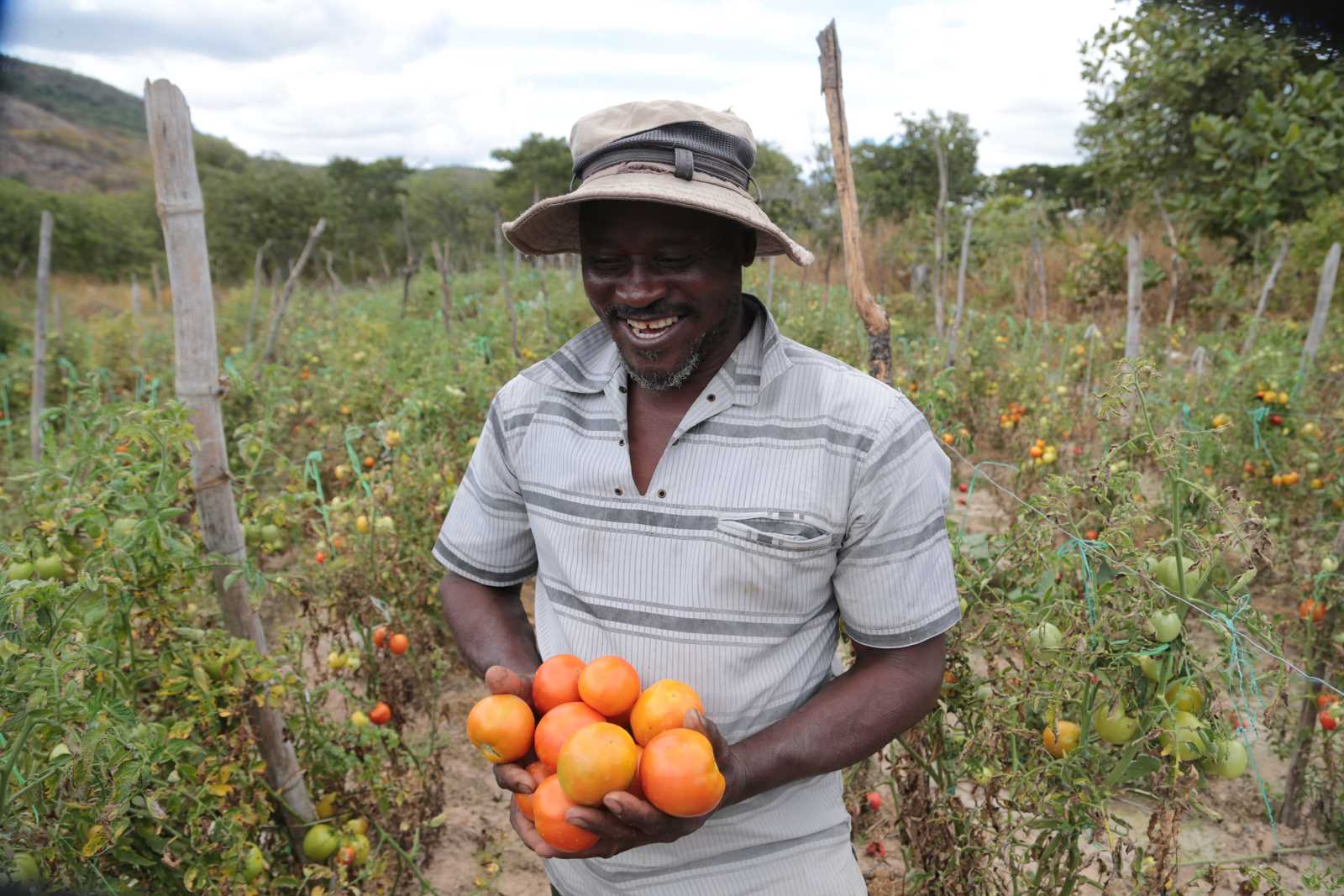
“I can’t sustain my vegetable garden now, because the usable water from the reservoir is gone in no time,” says Silibaziso Masukume, a villager in Mwenezi District. “We only have water for three to five months during the rainy season,” says village subchief Kange Sibanda, whose territory includes the rural Musambasi reservoir in the same district. “After that, everyone struggles to find water that can be used even for domestic animals.”
Part of the solution is to change cultivation methods, says Joseph Tasosa, director of the Zimbabwe National Environmental Trust. “At times people practice stream-bank cultivation, and when it rains those cultivated areas are washed straight into the water. As time goes by, this soil fills the water basins, and in the end the reservoirs are filled with silt.”
The work of gold panners is also coming under scrutiny. In Beitbridge, officials blame them for damaging streams. Panner Denis Juru replies that the downstream effect is not the panners’ concern. “I dig for gold, which I sell to make money,” he says. “I don’t sell water.”
Jeffrey Moyo is a journalist in Zimbabwe.
moyojeffrey@gmail.com