Natural disasters
Making social security in Pakistan more flexible


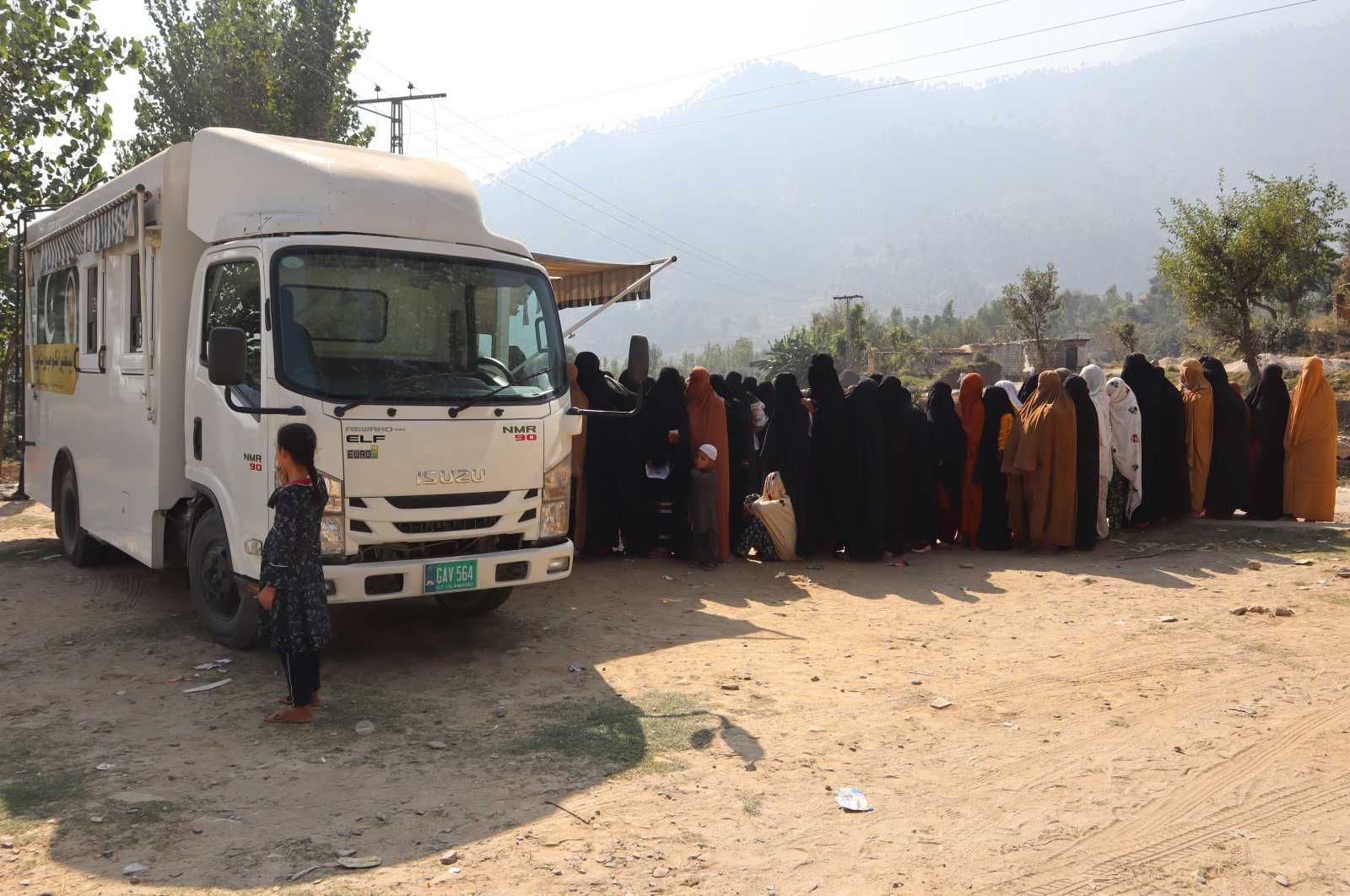
It was a small ray of hope amidst great suffering: when the residents of the village of Beshonai in Buner District in the Pakistani province of Khyber Pakhtunkhwa were severely affected by floods following cloudbursts in 2025, they were at least able to register for aid locally, thanks to a mobile registration vehicle. “We thought we would have to travel miles again for registration,” recalls Salma, one of the residents. “But this time, the team came to us.”
To get people back on their feet as quickly as possible following natural disasters and other crises, reliable social security services and secure access to them are essential. In many countries of the Global South, however, delivering these services in a tailored manner both during structural crises and after sudden emergencies is a major challenge. The devastating flash flood in the border region between Nepal and Tibet at the end of August this year demonstrated once again how quickly entire regions can lose their livelihoods.
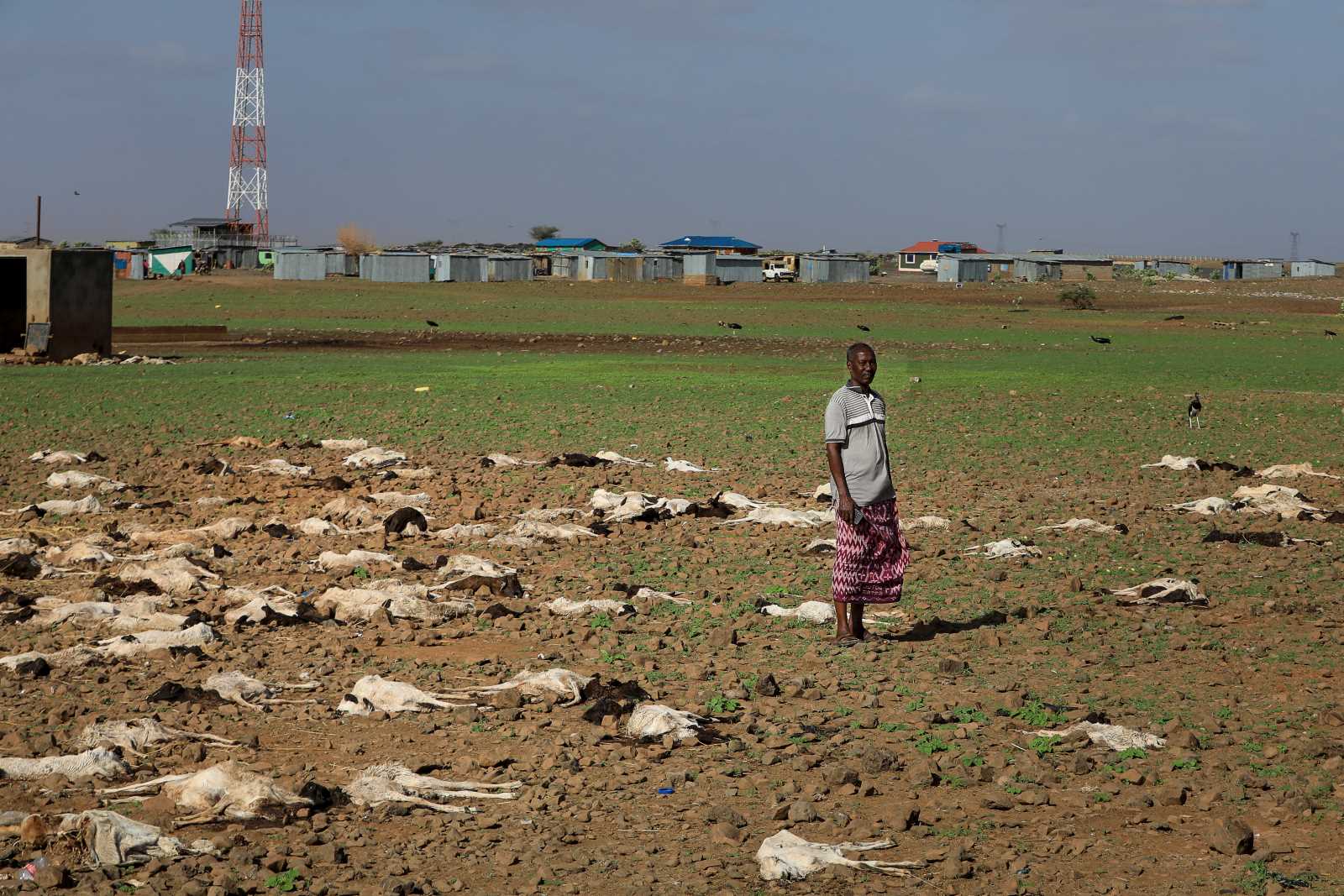
Pakistan is one of the countries particularly affected by the impacts of the climate crisis. The country has a population of more than 250 million, some of whom live in very remote, mountainous areas. Since the historic floods of 2022, similar natural disasters have occurred, albeit on a smaller scale, such as the cloudbursts in Buner District. These events turn narrow streams into violent torrents, which sweep mud and debris through villages, destroying homes, washing away roads and cutting off entire communities overnight.
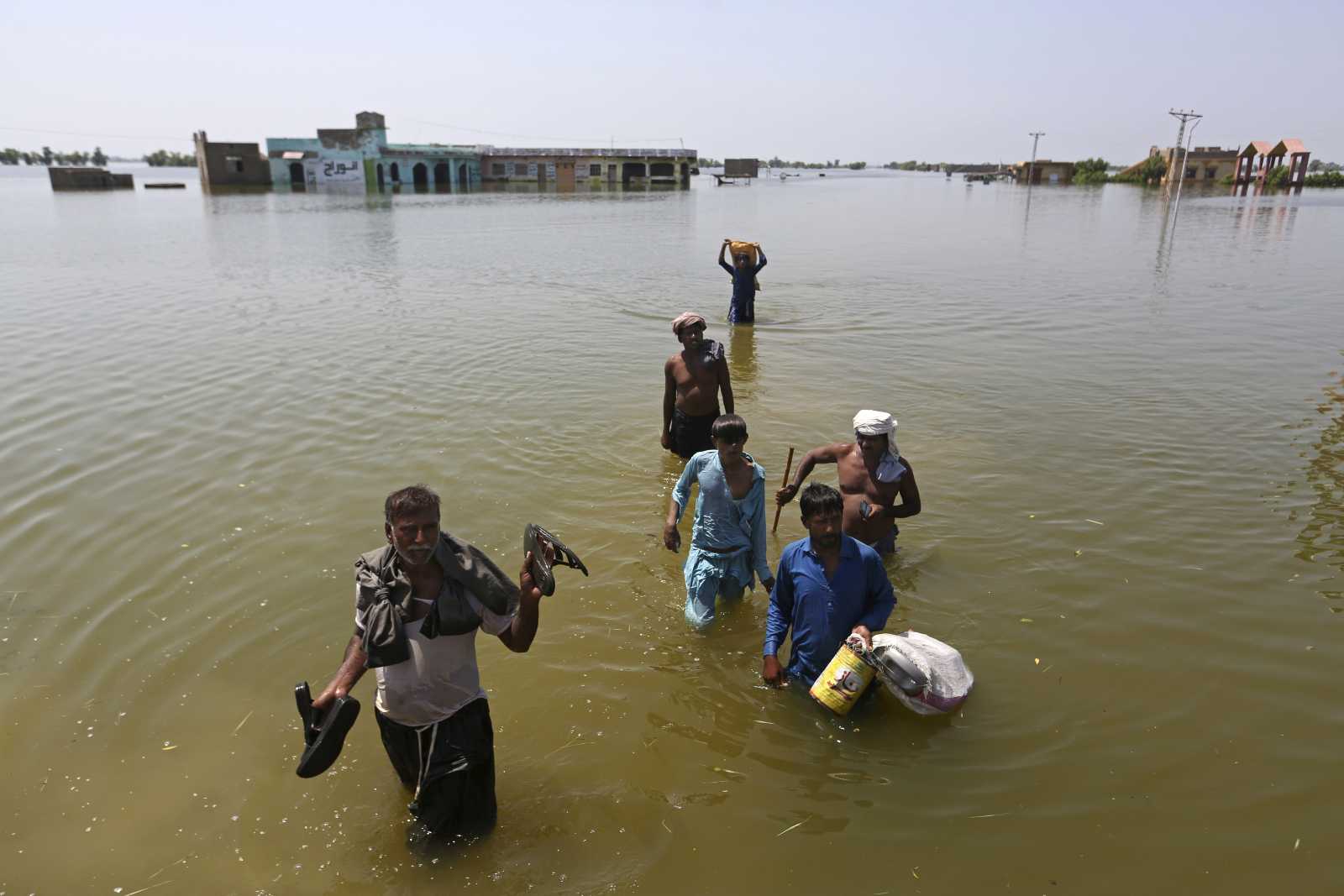
Listening closely to people like Salma, it becomes clear that, following such disasters, they are not only struggling with the loss of loved ones, possessions and their homes, but also with uncertainty. Often, for example, they have lost important documents, but are unable to contact the authorities because the infrastructure has been destroyed. For many, the social security system, which is supposed to support them, suddenly seems out of reach. A local resident, Najma, put it this way in an interview: “We didn’t know where to begin again or how to seek help.”
Sudden crises push systems to their limits
Social security systems in Pakistan and elsewhere are often designed to support those identified as disadvantaged on the basis of data collected over the long term. However, such static systems, whose data is only updated periodically, reach their limits when crises strike suddenly. This also applies to Pakistan’s largest social welfare programme, the Benazir Income Support Programme (BISP). For a long time, eligibility for BISP support depended on the results of household surveys conducted at intervals of several years.
However, the escalating climate crisis is increasing the risk of sudden and largely unpredictable extreme weather events. Systems that are only updated at longer intervals can hardly keep pace with the drastic climate changes of recent years.
Social protection systems therefore need to be adapted to take these risks into account. “Social protection must be long-term, shock-resilient and integrated into efforts to build climate resilience,” says Meriem El Harouchi, First Secretary at the Delegation of the European Union to Pakistan.
Strengthening data systems
Similarly, Johanna Knoess, project head of adaptive social protection at GIZ Pakistan, emphasises the need to adapt social protection systems: “Adaptive social protection means ensuring that systems can respond to sudden shocks as effectively as they do to chronic poverty,” she says. “Strengthening data systems and expanding last-mile delivery mechanisms are critical to making that possible.”
Rapid registration following a disaster using the BISP’s mobile registration units mentioned earlier is one of several measures. If people are unable to reach a registration centre themselves after a disaster, the registration process must come to them.
With support from the EU and Germany, Pakistan is also working to update the data used for BISP support on a more regular basis. The aim is also to incorporate more data on disaster risk so that changes in people’s circumstances can be taken into account more swiftly. A family that was in a stable situation just a few weeks ago may suddenly need support; however, if their status is not updated in the system, they risk being overlooked.
Initiatives promoting financial and digital literacy are helping to improve social security in Pakistan too. In Sindh province, for example, as part of the BISP’s “Digital and Financial Literacy Initiative”, women are learning how to use mobile wallets, manage small savings and access information on social protection. In doing so, the women not only acquire valuable skills but also boost their self-confidence.
Farman Nawaz is communication advisor at the Adaptive Social Protection Project of GIZ Pakistan.
farman.nawaz@giz.de