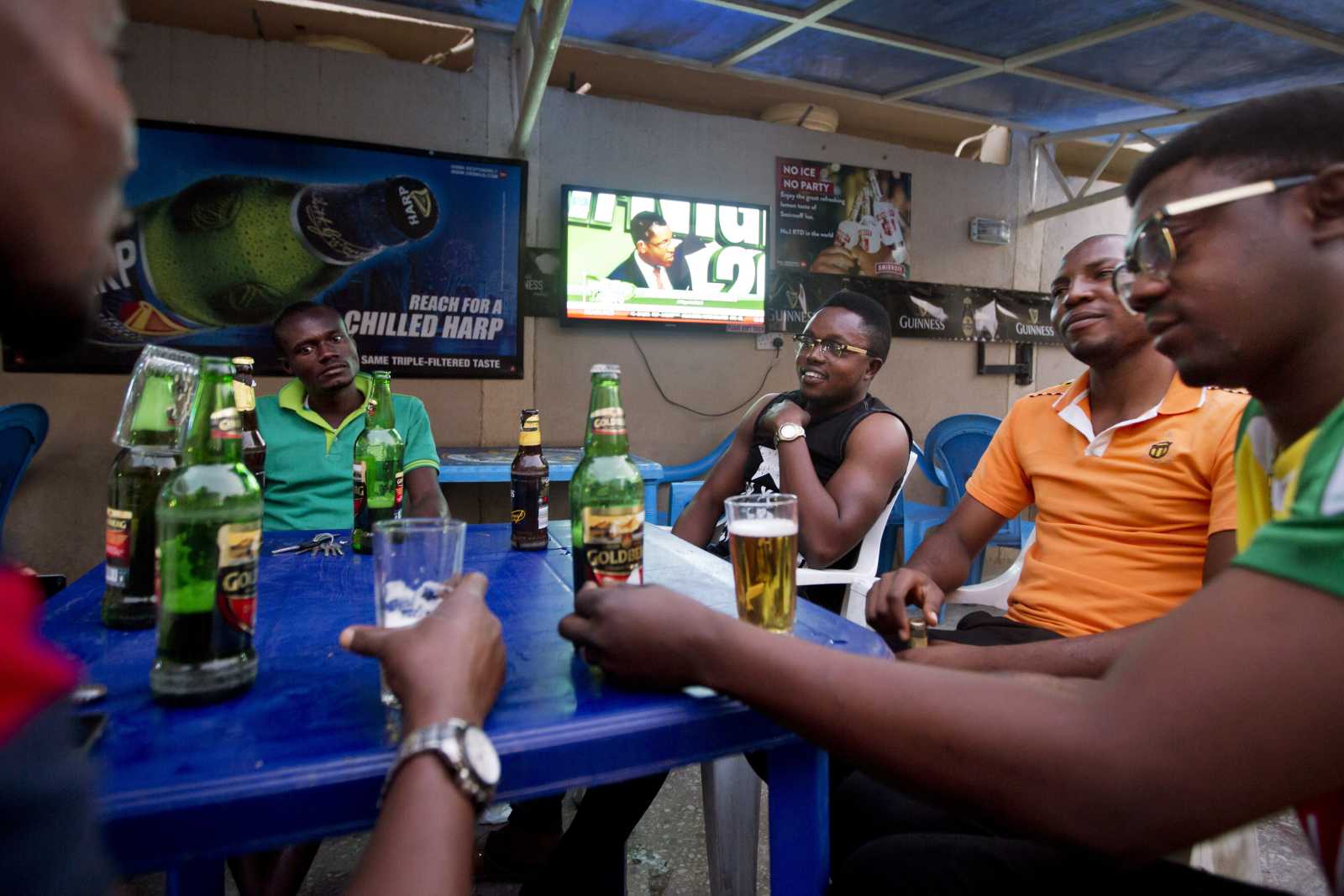
Reforms to the Nigerian healthcare system could be undermined by rising levels of harmful drinking. To tackle this problem, measures such as a stricter regulatory framework, better enforcement of regulations and higher taxes are needed.
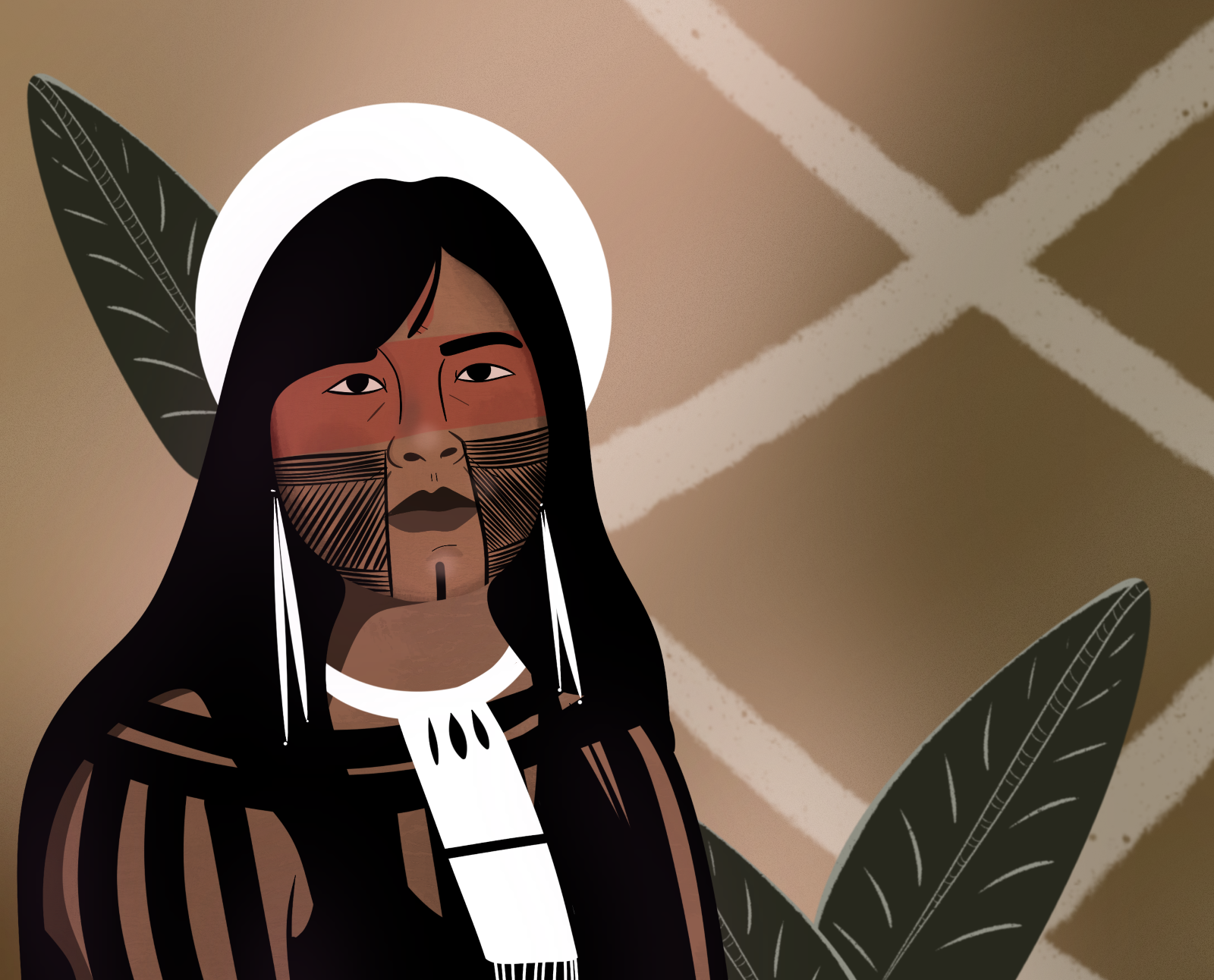
Indigenous ways of life have withstood difficult conditions and outside pressure for centuries. The global community must do more to protect them – and learn from them in light of looming social and ecological crises.
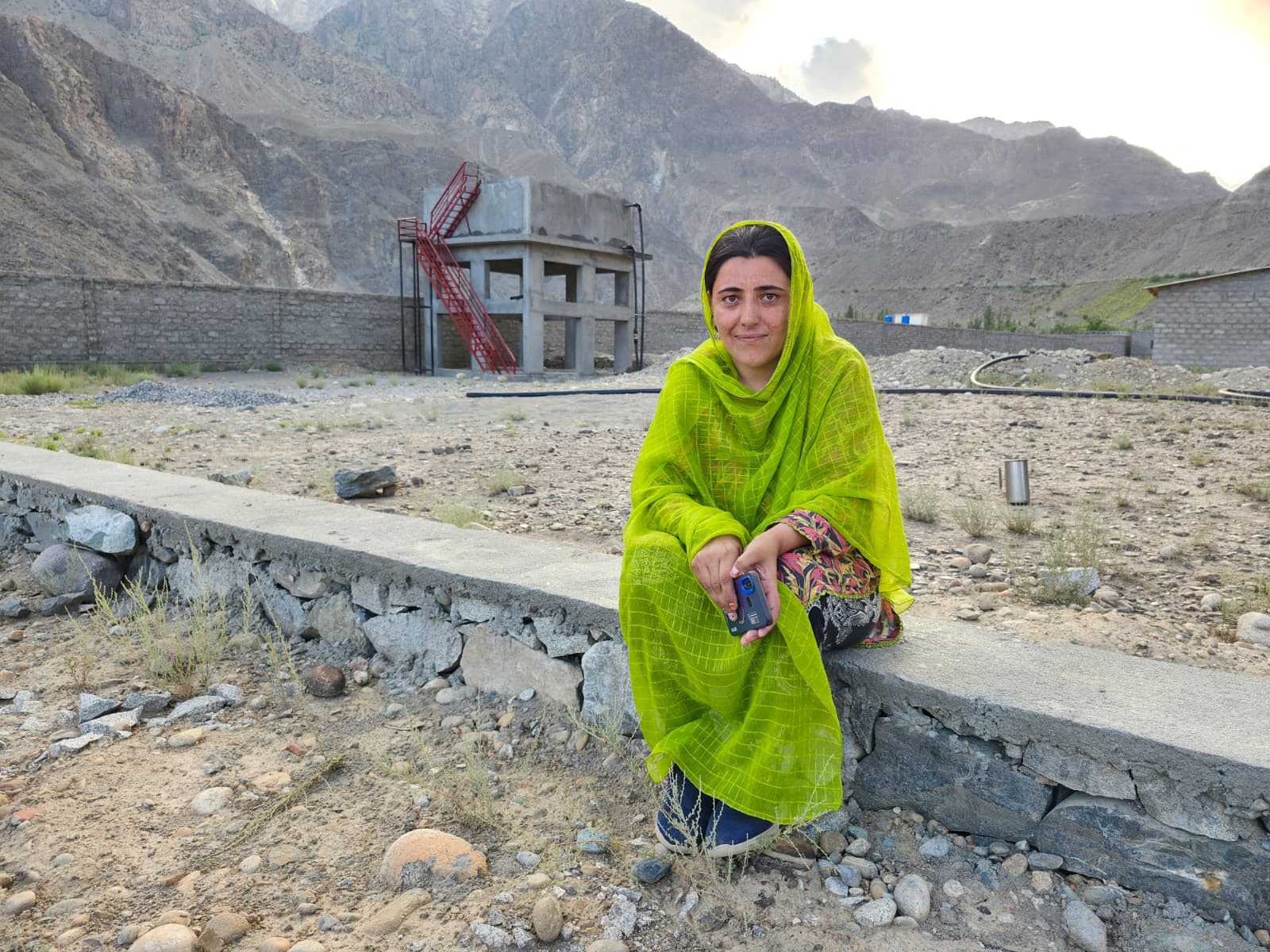
Functioning basic infrastructure is one of the prerequisites for the integration of refugees. In Pakistan, a WWF initiative is helping to supply internally displaced persons (IDP) with drinking water.
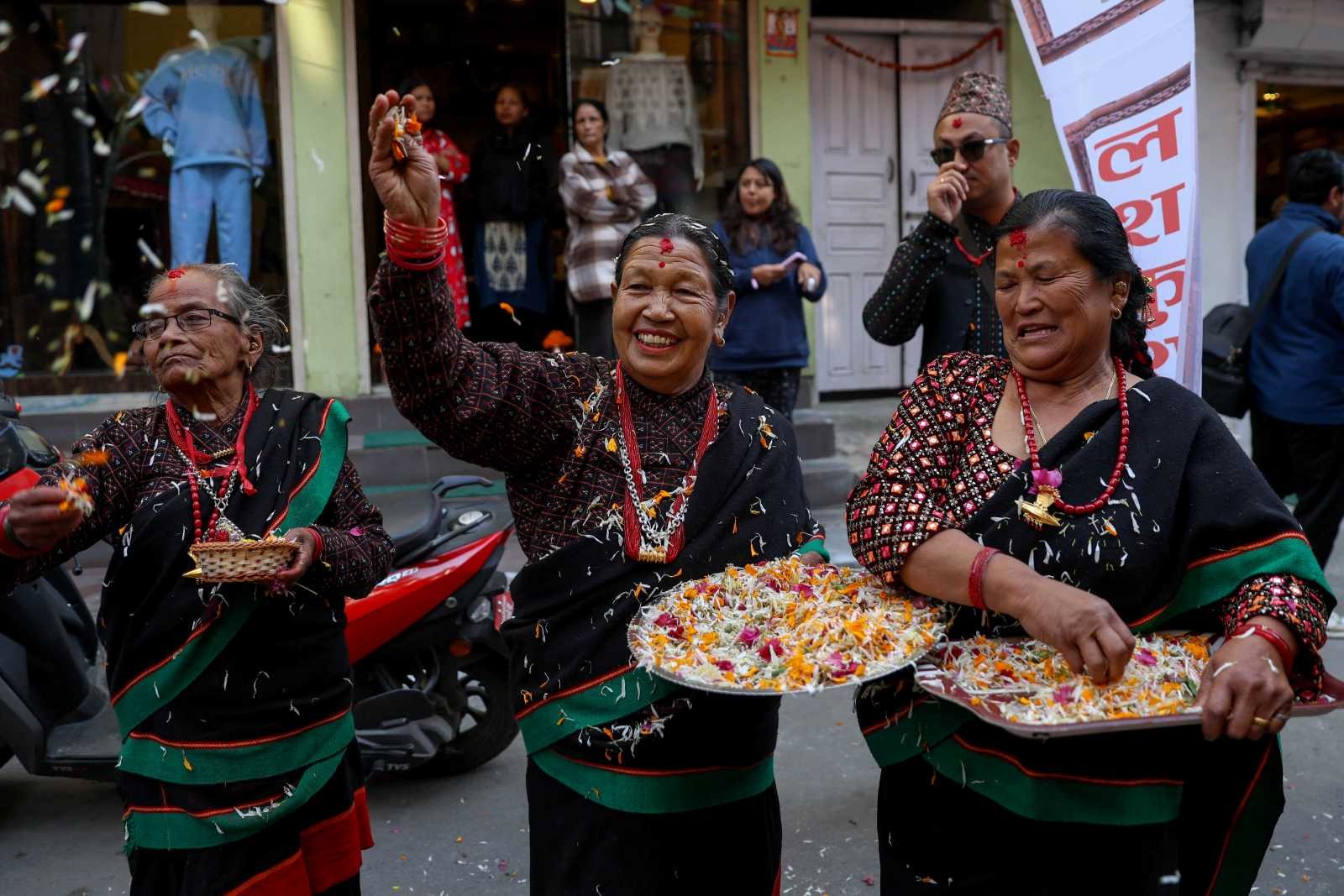
Between 2015 and 2024, Nepal achieved the greatest Sustainable Development Goals progress of any country in the East and Southeast Asia region. Nevertheless, the country still has a long way to go to reach its goals.
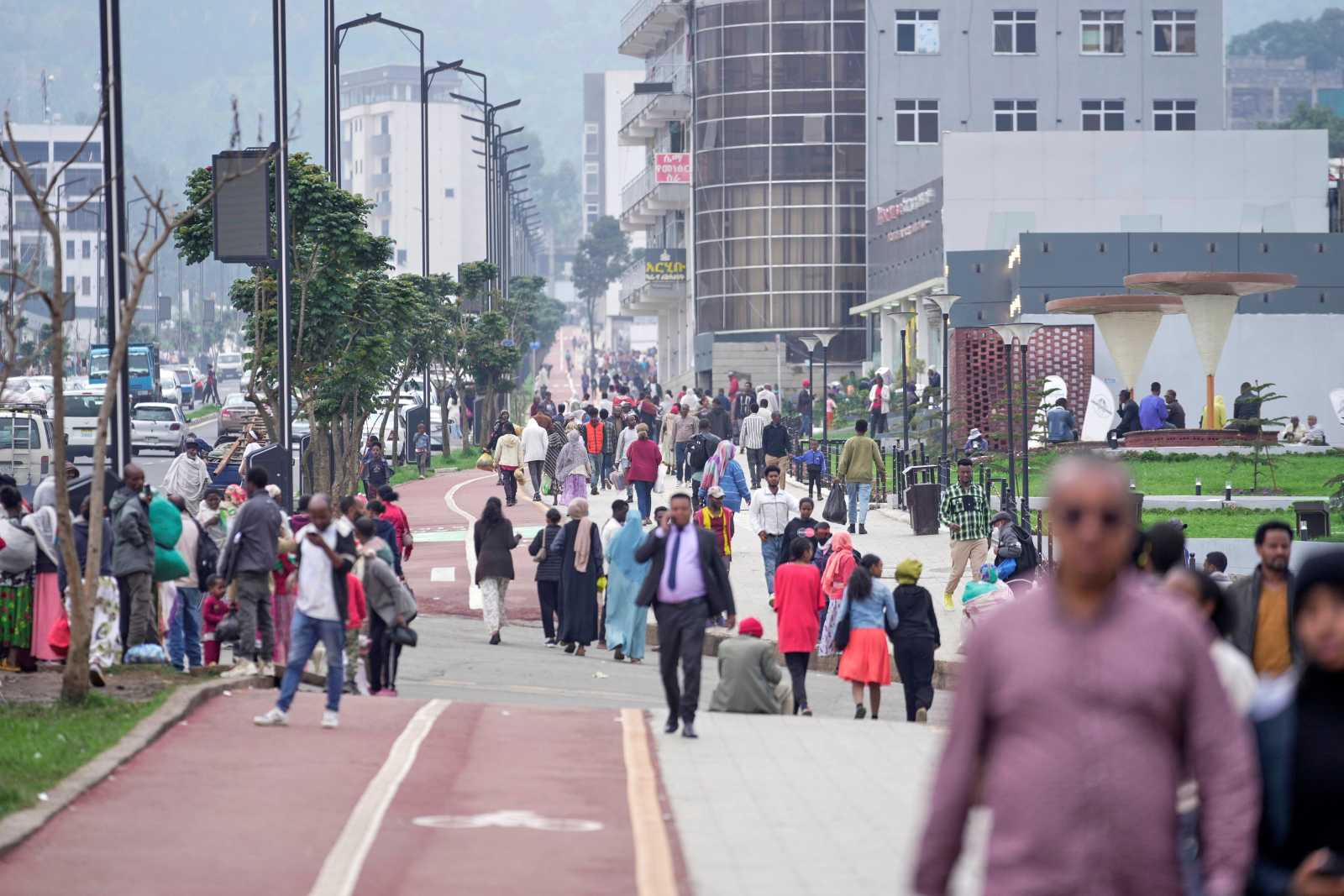
Addis Ababa is a prime example of how a city can change when walking and cycling are taken seriously. Over the past few years, the capital of Ethiopia has invested heavily in non-motorised transport as part of its wider urban transformation.
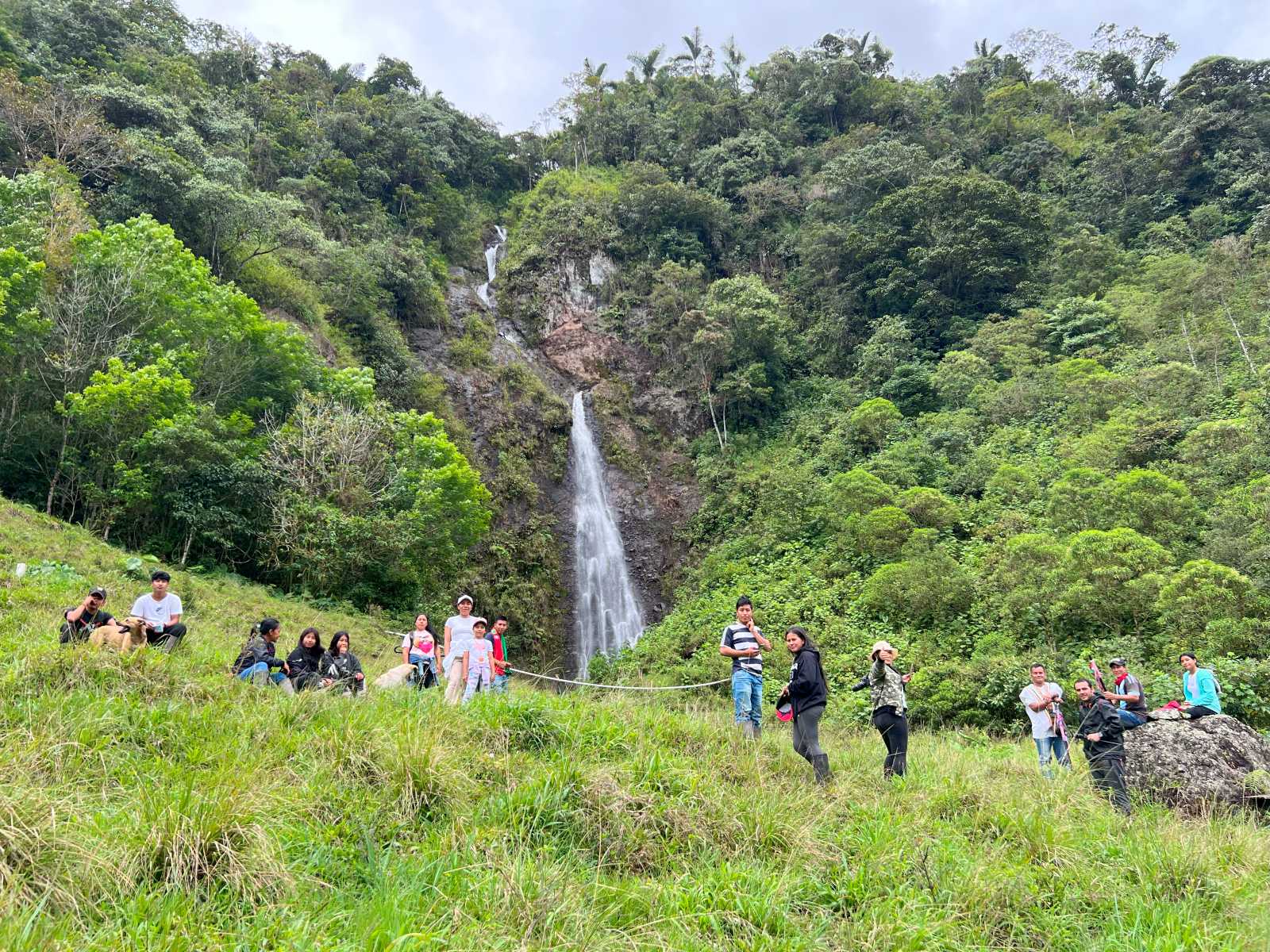
The Inga in Colombia’s Andes-Amazon region defend their ancestral lands against climate damage, the exploitation of natural resources and violence – and they are now even drawing on open-source technologies to help them achieve their goals.
For the second year in a row, thousands of people took to the streets in Kenya to protest the government. The so-called Gen Z protest movement is also driven by music. The soundtrack to the protests has already achieved cult status.
Patriarchy grants men privileges, but it also comes with norms and expectations that inflict harm on their mental and physical health. Psychological research suggests that it is in African men’s interests to participate in redefining masculinity.
Non-communicable diseases (NCDs) such as diabetes and cancer are responsible for about 30 % of all annual deaths in Nigeria. This calls for urgent action – and above all strategic sensitisation at the community level.
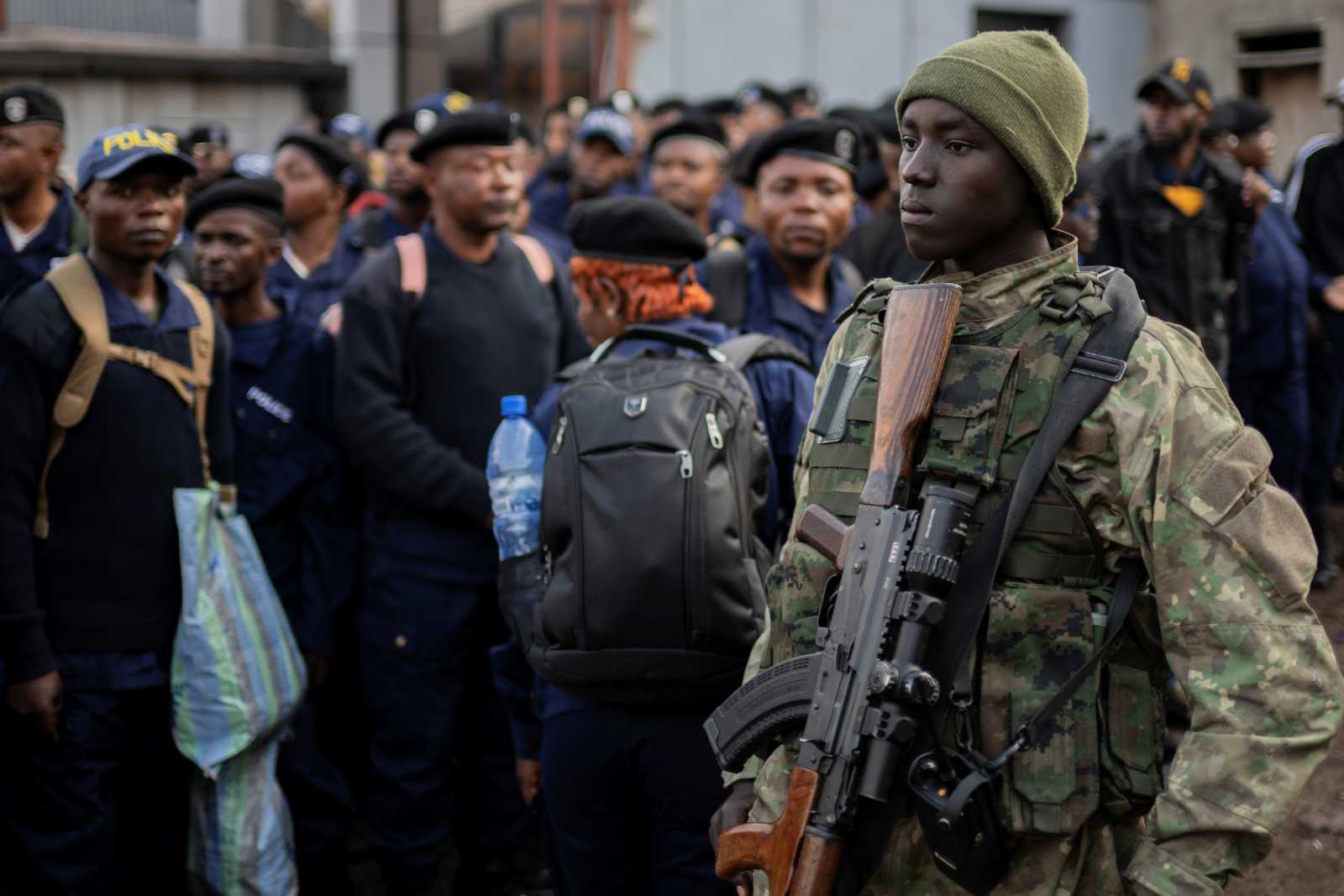
Uvira is situated in South Kivu province in the DRC. The city and its surroundings are an important hub for several countries. In view of this, Uvira should be thriving. Instead, the region has been the scene of armed conflicts for decades.
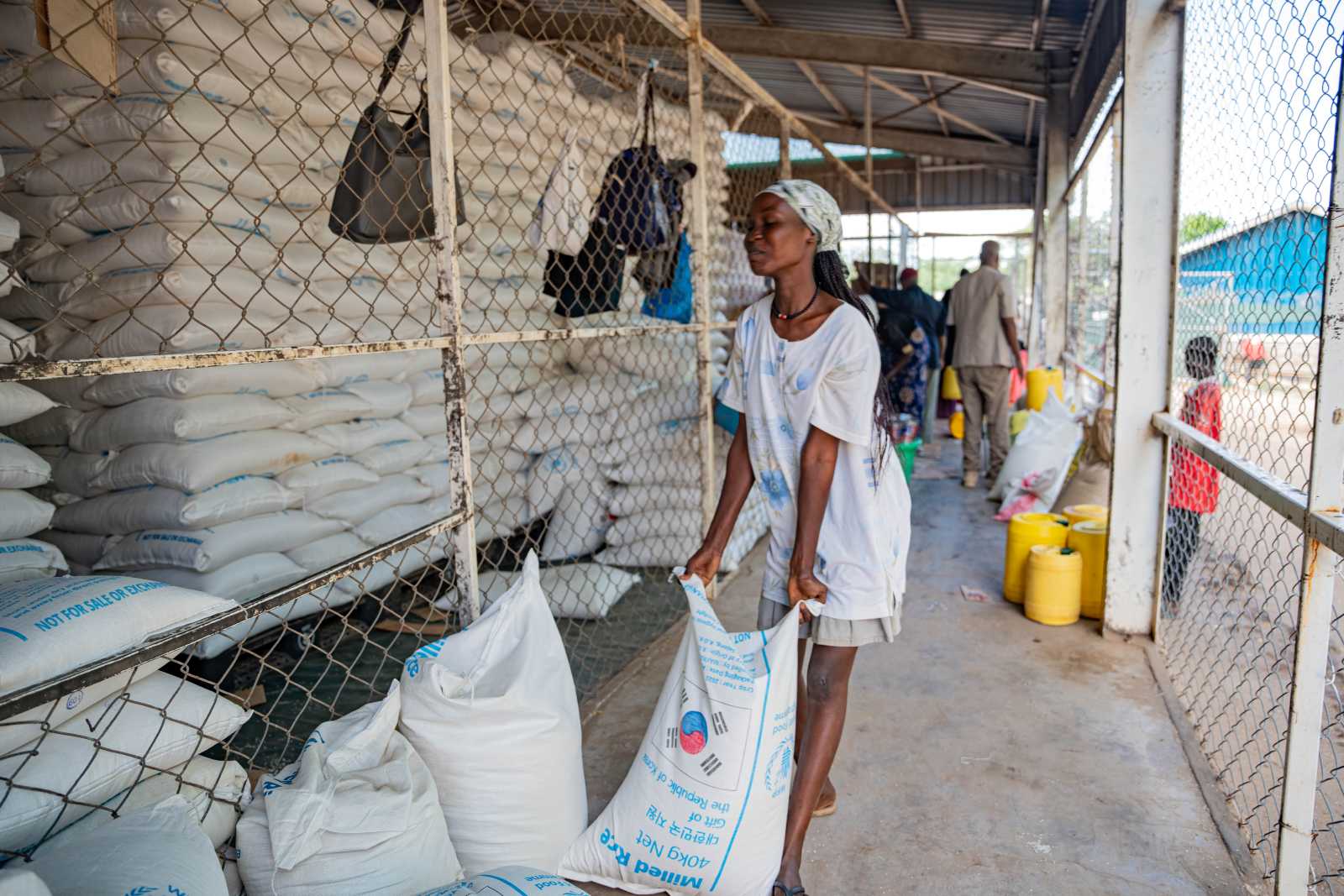
Cuts to international aid funding have plunged Kakuma, one of the world’s largest refugee camps in Kenya, into a worsening humanitarian crisis. With food rations reduced to a fraction of the minimum requirement, residents face an impossible choice.
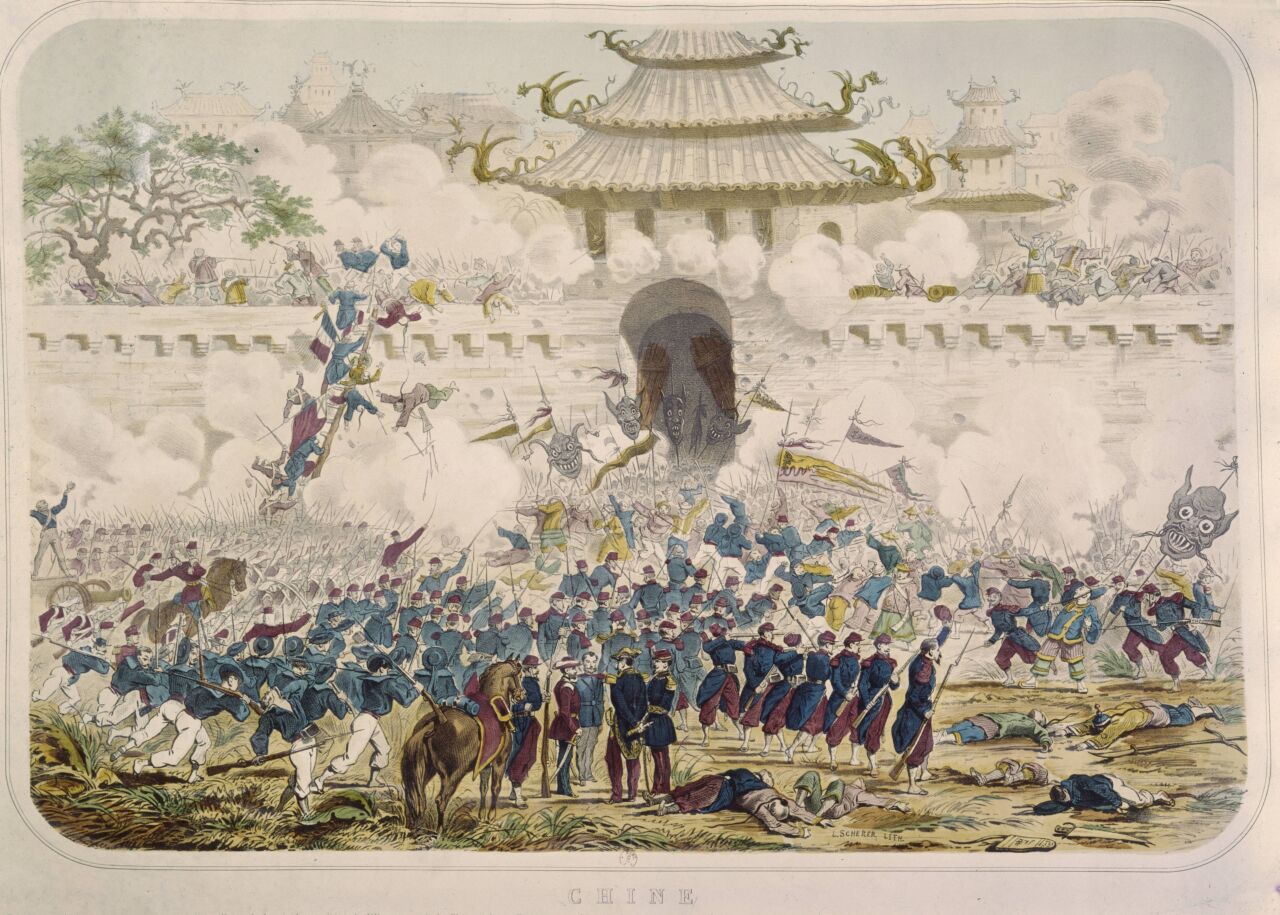
Britain’s East India Company ran a highly profitable, but brutally exploitative narco-state in the Gangetic plains and exported highly addictive opium to China.
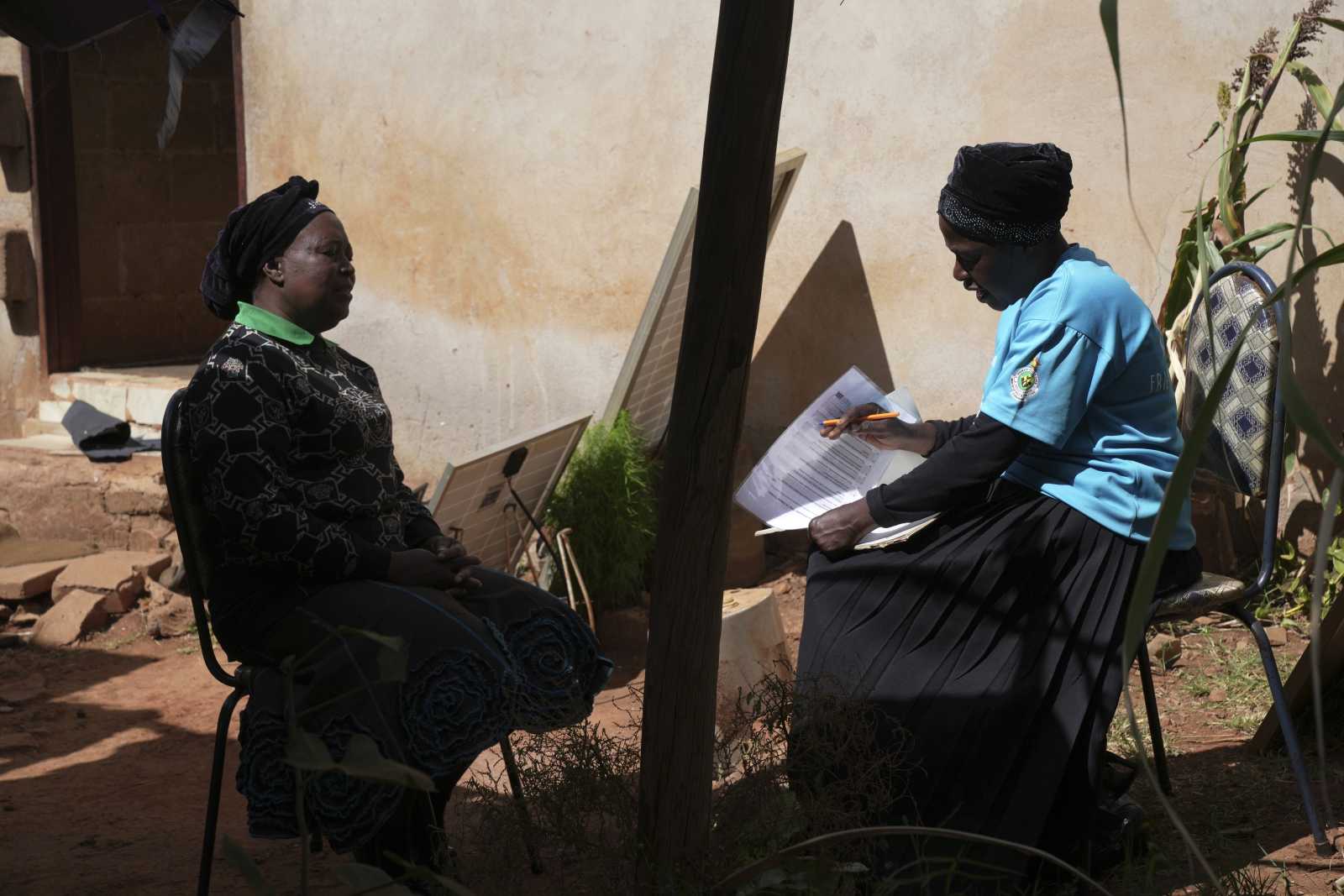
The chronic underfunding of Zimbabwe’s healthcare sector is contributing to a rise in mental illness. The lack of investment will have long-term consequences not only for the wellbeing of the population, but also for the country’s economy.
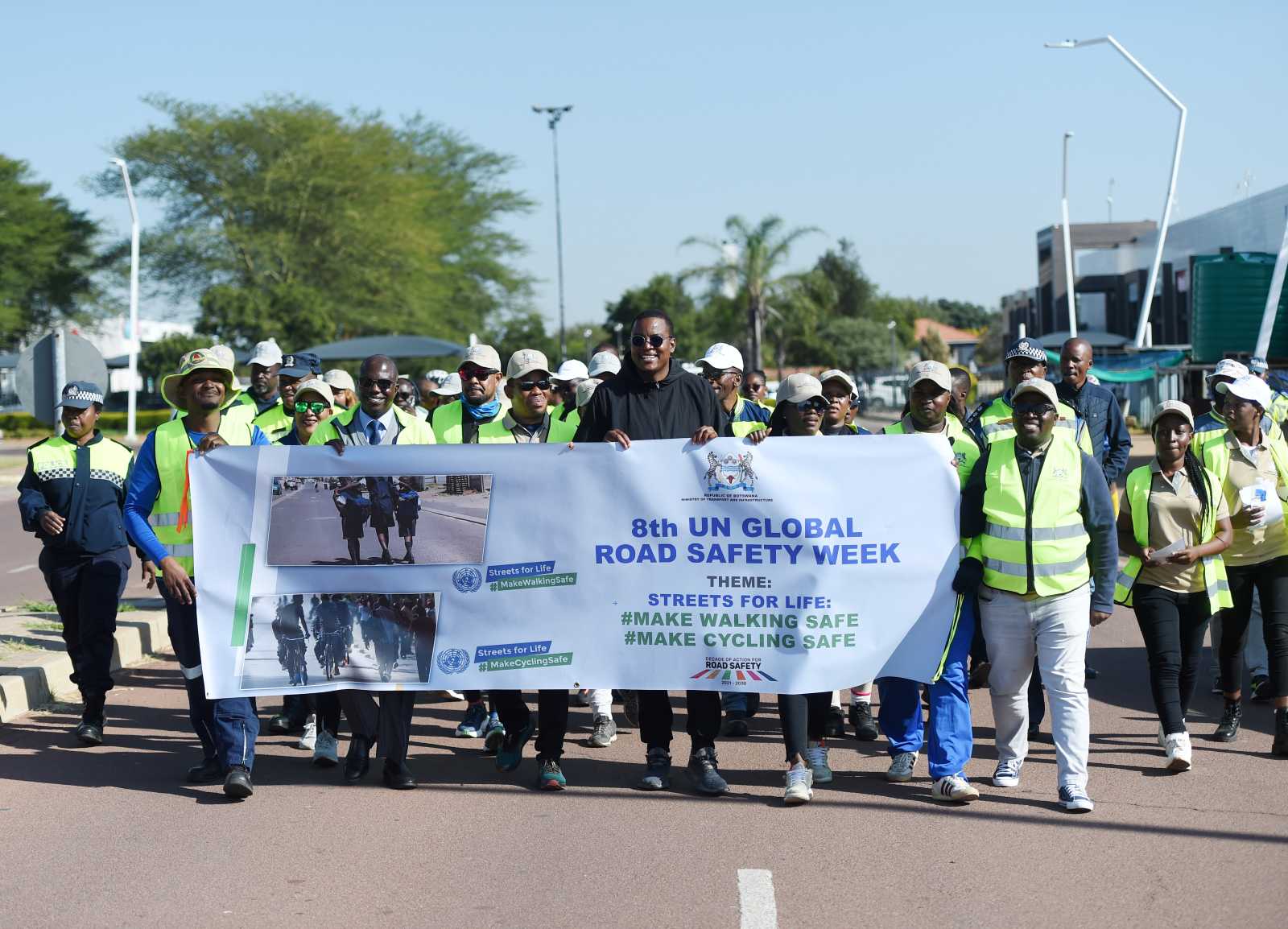
Walking and cycling are the most affordable, climate friendly and inclusive ways to move through cities, yet they remain undervalued. As motorisation rates rise across the globe, the need to protect and expand active mobility has never been greater.
There is widespread agreement that the international financial architecture needs to be reformed. International experts, mainly from the Global South, have given this some thought – and are providing specific proposals for solutions.
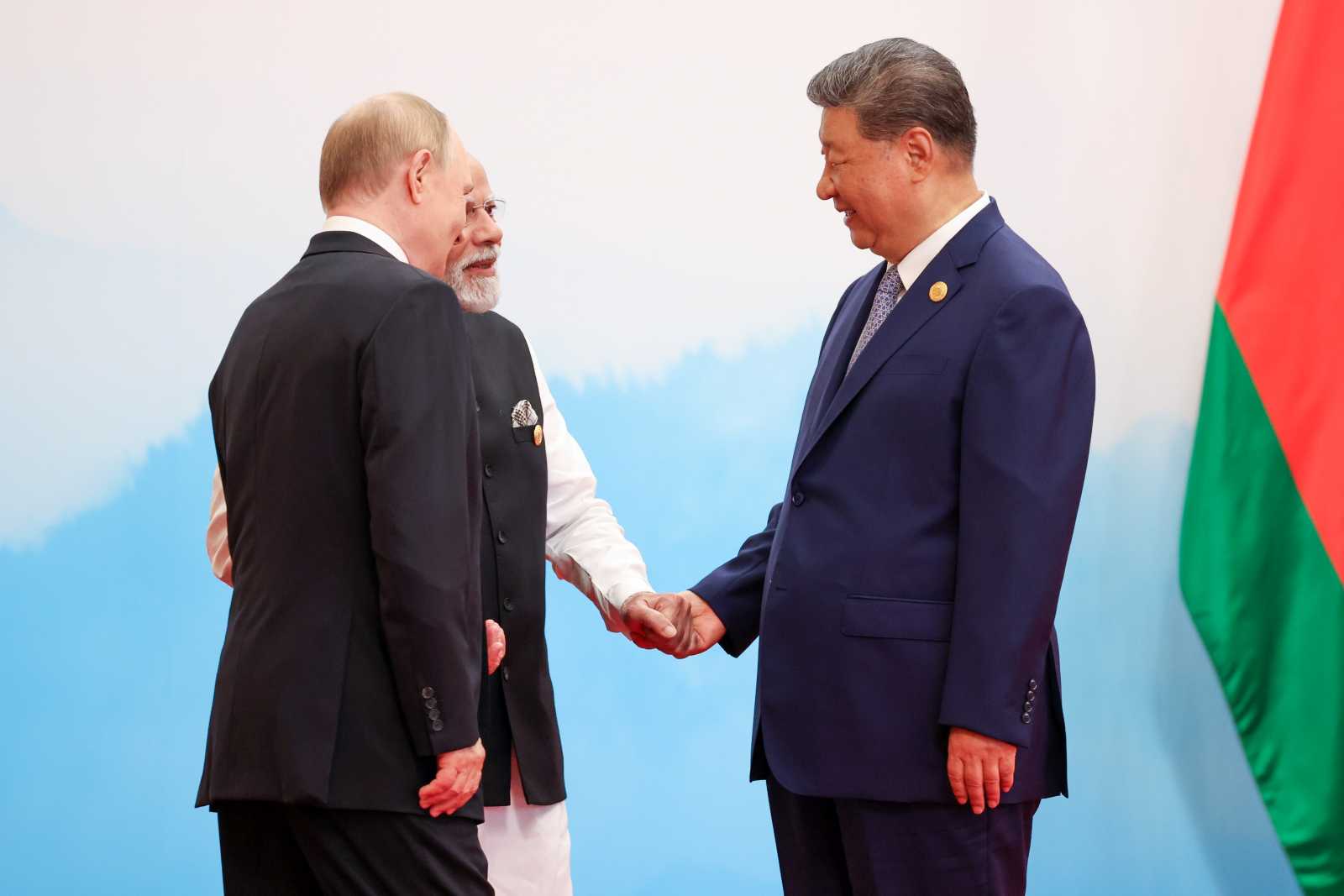
Despite considerable differences, the world’s two most populous countries have recently grown closer – a shift fuelled not least by the US’s punitive tariff policy. Here’s how experts from India and China analyse this geopolitical development.
Kenya’s youth have been taking to the streets against the government for weeks. Sports student Shakira Wafula almost involuntarily became a face of the movement. In this interview, she talks about what is driving young Kenyans.