Waste pickers
In Nigeria, one man’s trash is another man’s income


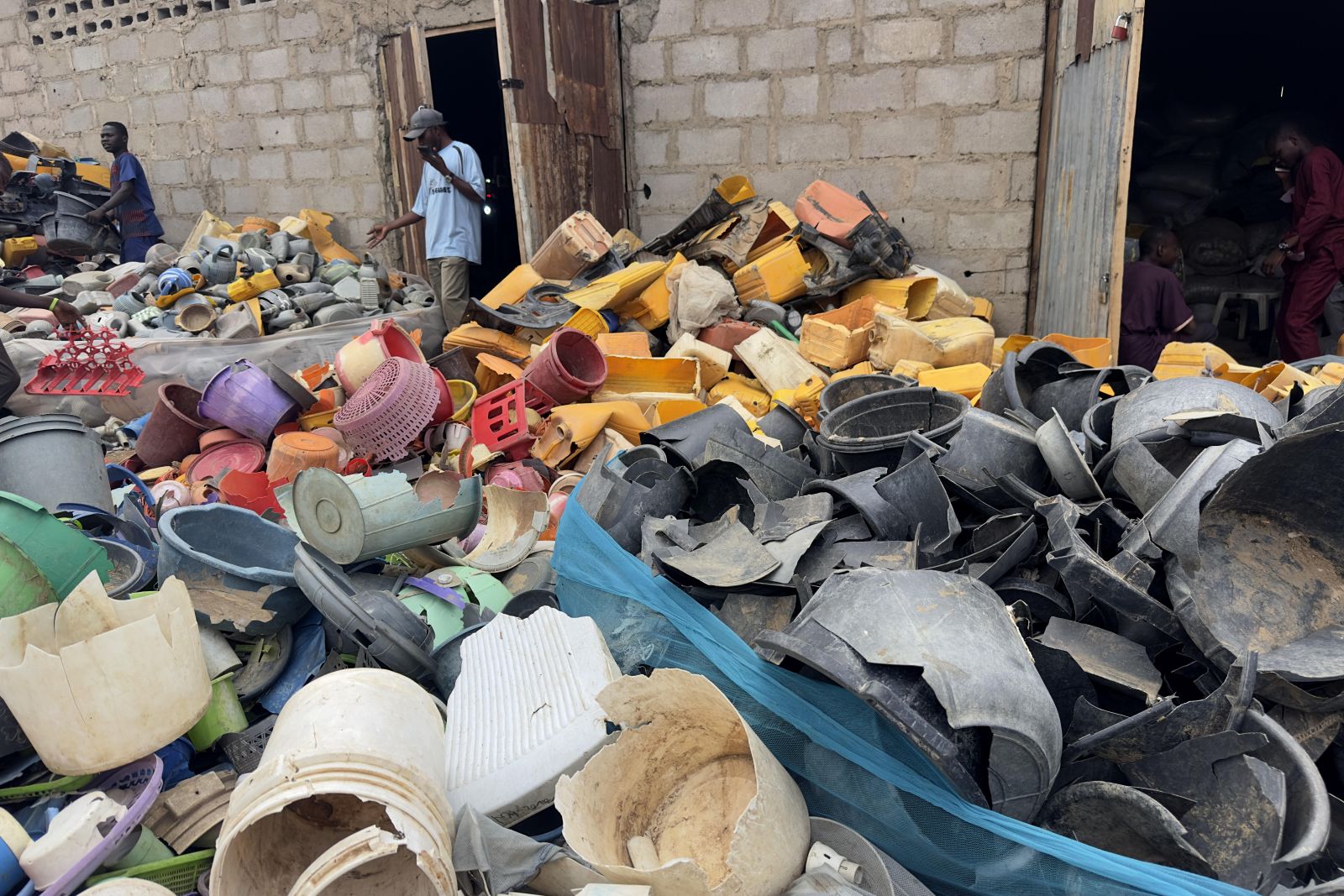
By morning, Musa is already moving through his neighbourhood in the city of Ilorin, looking for discarded plastic and other recyclable materials. Some days he keeps going until evening. What he earns at the end of those long hours is difficult to predict. “What I pick sometimes might not determine the value; I need to work more to earn more,” he says.
Musa, who prefers to remain anonymous, works at the very beginning of Nigeria’s recycling chain. He collects material that others will later sort, process and sell again. But while recycling is increasingly promoted as a source of jobs and environmental progress, income at the bottom of that chain remains uncertain.
On a good day, Musa can make between 5000 and 10,000 Nigerian Naira (about $ 3,80 and $ 7,60). Such days are rare. In a good month, he says, he earns between 40,000 to 50,000 Naira ($ 30 to $ 38), depending on how much waste he finds, its market value and how well he can negotiate with buyers. On weaker days and months, he earns less. When that happens, yesterday’s income must stretch a little further. “We have to depend on the little savings from the waste already sold,” he says.
Although conditions in Ilorin and Lagos, Nigeria’s biggest city, differ, a 2025 study with 1274 waste pickers across 20 local government areas in Lagos State offers a wider picture of the sector. Half of those surveyed earned between 30,001 and 50,001 Naira a month. Workers also reported harassment, injuries, accidents and burns.
From discarded bottles to business
For entrepreneur Mayowa Balogun, discarded plastic represents something different. After studying economics in Canada, Balogun returned to Nigeria and founded Loritem Recycle Limited, which collects, sorts and processes plastic waste. Recycling, he says, offers an opportunity to create value while addressing environmental problems.
The contrast is striking: Musa depends on his daily findings and the price buyers are willing to offer, while Balogun operates further along that same chain, where discarded plastic becomes a commodity. Yet one depends on the other. Recycling businesses require a steady supply of material, and much of that supply begins with people informally collecting waste on the streets.
Making informal work more visible
That’s why attempts to make waste picking more organised have emerged. In 2024, the International Labour Organization and Nigerian authorities agreed to develop a National Digital Repository for Waste Pickers, intended to address exclusion and poor working conditions and help integrate informal workers into a more organised recycling chain. A new collection centre in Abuja, Nigeria’s capital, is also part of efforts to strengthen the sector. In March, the United Nations Industrial Development Organization (UNIDO) and the Government of Japan handed over the Pilot Plastic-Waste Collection Centre, which is expected to collect up to 1200 tonnes of plastic annually.
Such changes higher up the recycling chain bring hope of more reliable prices, safer conditions and greater recognition for people like Musa who are doing the collecting. As for now, however, Musa’s daily search for recyclable waste remains the difference between earning enough to get through the day or not.
Sarafadeen Olalekan Oyeleke is a professional amputee football player, coach, writer and disability sports educator based in Ilorin, Kwara State, Nigeria.
rhassmako@googlemail.com