Digitalisierung
Wie sich junge Menschen in Sambia Karrieren auf Social Media aufbauen


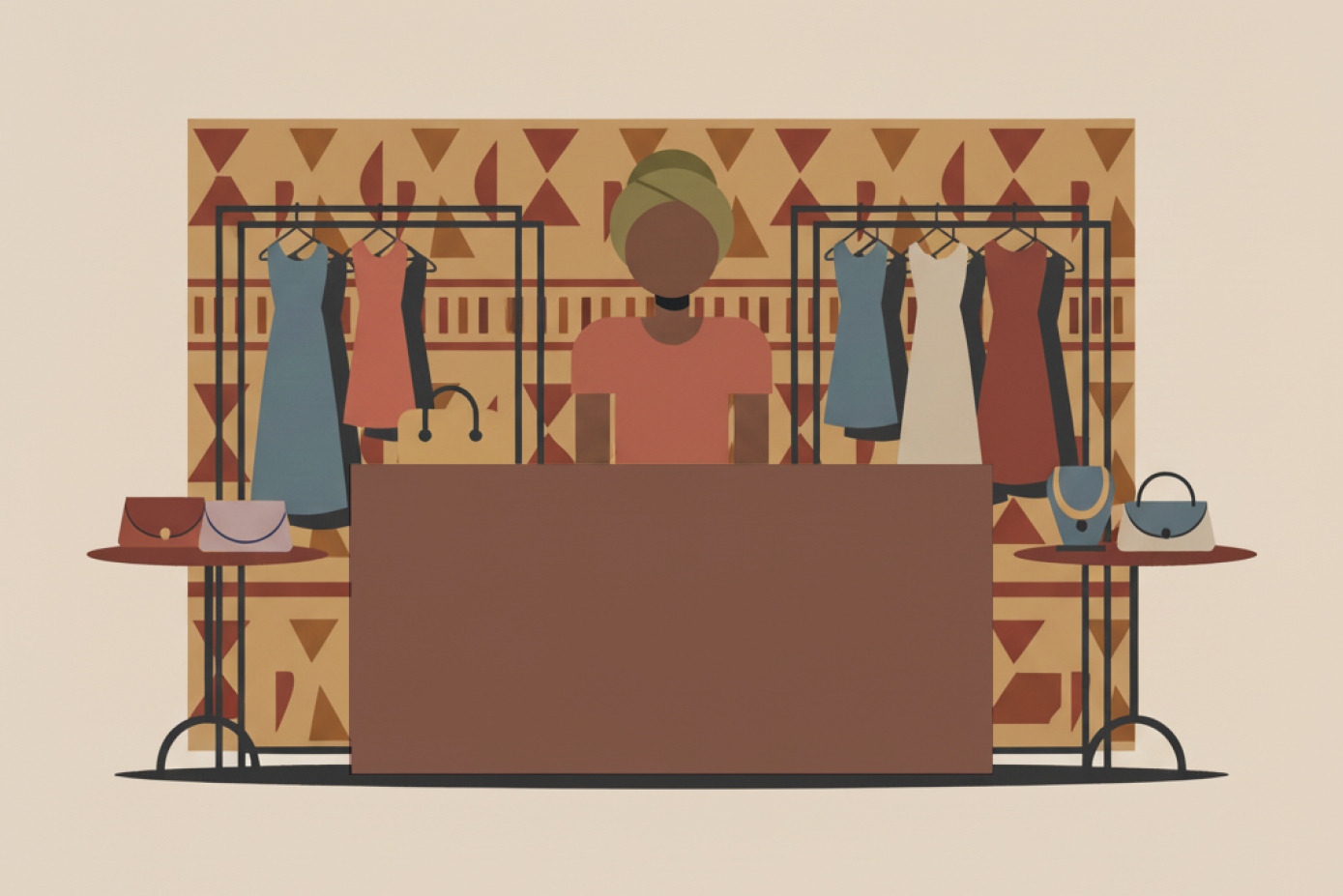
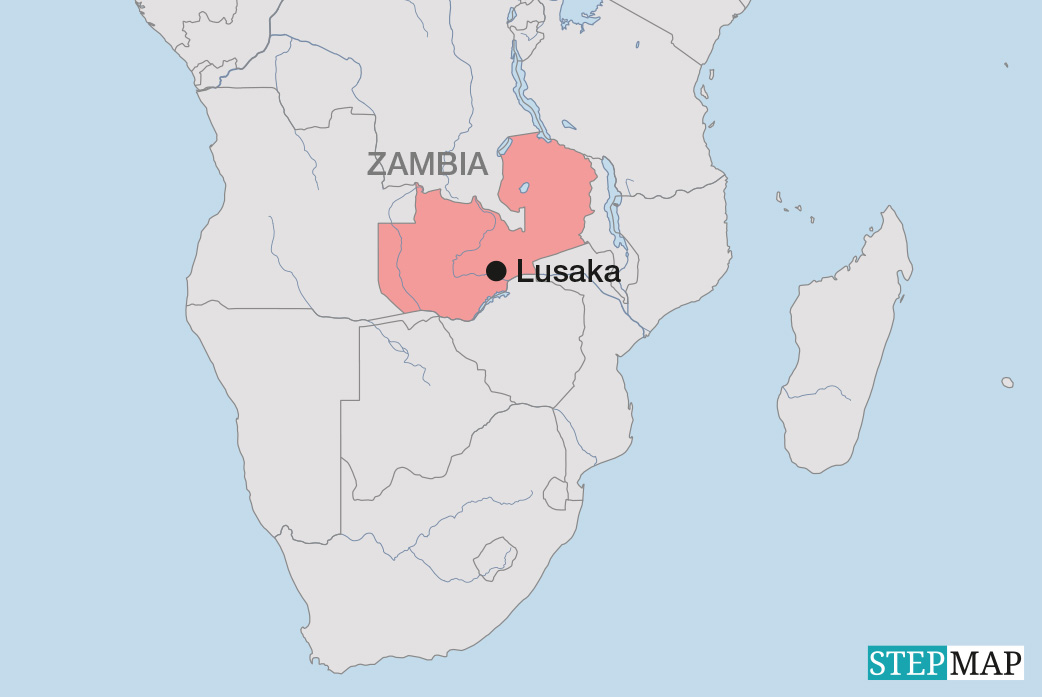
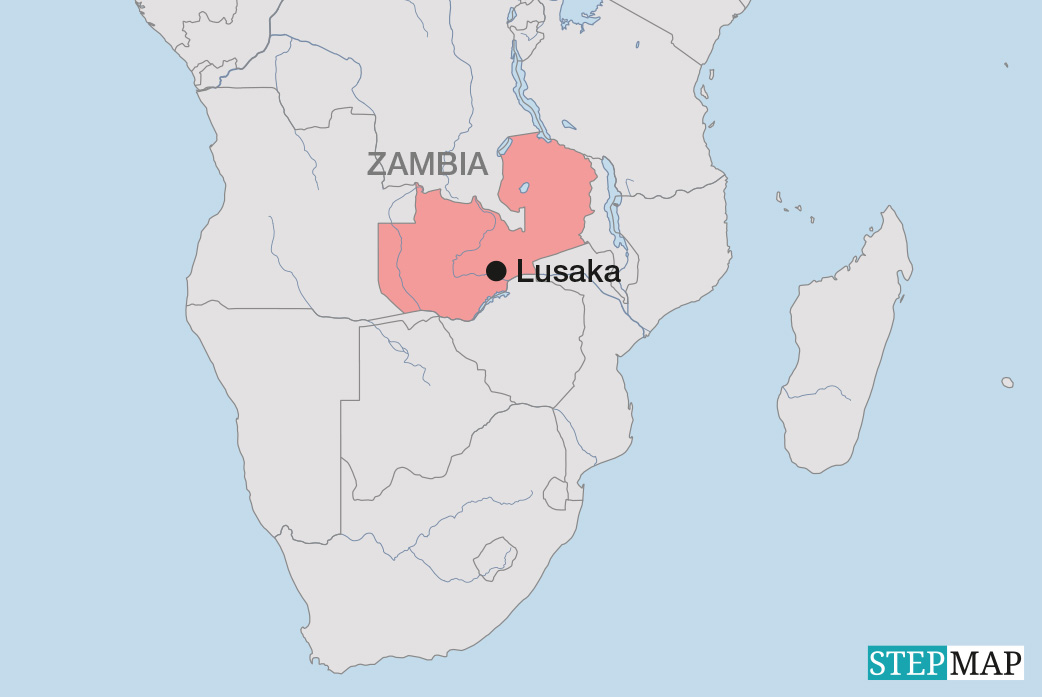
Während die Sonne über Sambias Hauptstadt Lusaka aufgeht, scrollt Tabo Daka durch ihr Handy und lädt ein neues Outfit hoch. Innerhalb weniger Minuten erreicht ihr Content Tausende – was nicht nur ihr eigenes Profil stärkt, sondern auch all die kleinen Boutiquen entlang der Cairo Road, einer der belebtesten Straßen Lusakas. „Ich bin auf Plattformen wie TikTok, Facebook und Instagram angewiesen, um direkt mit meinem Publikum in Kontakt zu treten“, sagt Tabo, die sich auf Streetwear spezialisiert hat und regelmäßig mit Marken zusammenarbeitet. „Die Leute reagieren auf meine Inhalte und helfen mir so, meine Arbeit bekannter zu machen.“
Dakas Alltag steht beispielhaft für einen größeren Wandel in Sambia. Mit dem Ausbau der Internetinfrastruktur, von Glasfasernetzen bis hin zu besserer Mobilfunkabdeckung, nutzen immer mehr junge Menschen digitale Plattformen nicht nur zum Austausch, sondern auch, um ihren Lebensunterhalt zu verdienen.
Was in politischen Debatten lange Zeit nur als kleine „Kreativwirtschaft“ abgetan wurde, ist inzwischen für viele Content Creator*innen zu einer wichtigen Einkommensquelle geworden. Mit nichts weiter als einem Smartphone produzieren, verbreiten und vermarkten sie Inhalte, ohne auf traditionelle Medienstrukturen angewiesen zu sein. „Als Fashion-Content-Creatorin kann ich Inhalte direkt von meinem Handy aus erstellen und hochladen“, sagt Tabo. „Dazu brauche ich weder Filmteams noch eine teure Ausrüstung.“
Eine neue Generation digitaler Unternehmer*innen
Viele junge Leute schlagen ähnliche Wege ein. Die Reise-Vloggerin Queen Licah etwa dokumentiert ihre Reisen durch Afrika und teilt Videos von Landschaften und ihren kulturellen und alltäglichen Erlebnissen mit einem weltweiten Publikum. „Ich mache alles selbst“, sagt sie. „Ich entdecke Orte, treffe Menschen und halte Erinnerungen fest – ein Vlog nach dem anderen.“ Wie viele andere sieht sie in den digitalen Plattformen einen Weg, sich ein Einkommen und internationale Sichtbarkeit aufzubauen.
Tatsächlich könnte der Wandel eine neue Generation digitaler Unternehmer*innen hervorbringen. Social Media ermöglicht es Content Creator*innen, kulturellen Ausdruck in Einkommen zu verwandeln und gleichzeitig Hürden abzubauen, die den Zugang zu Märkten früher erschwerten. „Marketingbudgets, die früher an internationale Agenturen gingen, fließen heute an lokale Creator“, sagt der Marketingexperte Innocent Daka aus Lusaka.
Ein Vollzeitjob mit wenig Einkommen
Doch die richtige Vermarktung bleibt eine große Herausforderung. Obwohl einige sambische Creator*innen viele Menschen erreichen, haben sie oft keinen Zugang zu den daraus generierten Gewinnen der Plattformen, etwa Werbeeinnahmen, weil Sambia nicht immer zu den unterstützten Regionen der Onlineplattformen zählt.
Für Creator*innen wie Ken Dumbo, einen bekannten Social-Media-Influencer aus Lusaka mit fast 100.000 Follower*innen, ist diese Lücke deutlich spürbar. Für viele sei die Content-Produktion längst ein Vollzeitjob, die Einnahmen kämen jedoch meist nur indirekt über Kooperationen mit Marken und nicht über Zahlungen der Plattformen selbst.
Sambias Politik will bessere Vermarktung ermöglichen
Das Thema hat inzwischen auch politische Aufmerksamkeit erhalten. Im November 2024 diskutierte das sambische Parlament über Maßnahmen, die Vermarktung auf Plattformen wie Facebook, YouTube und TikTok zu ermöglichen. Gleichzeitig arbeitet die Regierung an einer Gesetzesreform des Independent Broadcasting Authority Act, um digitale Inhalte offiziell als Wirtschaftssektor anzuerkennen.
Expert*innen bezweifeln allerdings, dass Regulierung allein das Problem lösen kann. Ob Creator*innen ihre Inhalte vermarkten können, hängt vor allem von den Richtlinien der Plattformen und der Reichweite ab, weniger von direkten Verhandlungen mit Regierungen. Entscheidend sei daher, ein Umfeld zu schaffen, in dem Creator*innen nachhaltig wachsen und Zugang zu internationalen Märkten erhalten können.
Derrick Silimina ist ein freier Journalist aus Lusaka, Sambia. Seine Themenschwerpunkte sind die sambische Landwirtschaft und Nachhaltigkeitsfragen.
derricksilimina@gmail.com