Women’s safety
How women are fighting for their safety in Delhi’s public spaces


Iffat rarely leaves home without pepper spray. The student at Jamia Millia Islamia University in Delhi calls it her “saviour”. She keeps it ready, hoping she will never have to use it. For young women like her, such precautions are part of navigating the Indian capital: deciding which route to take, how late to stay out and how to get home safely.
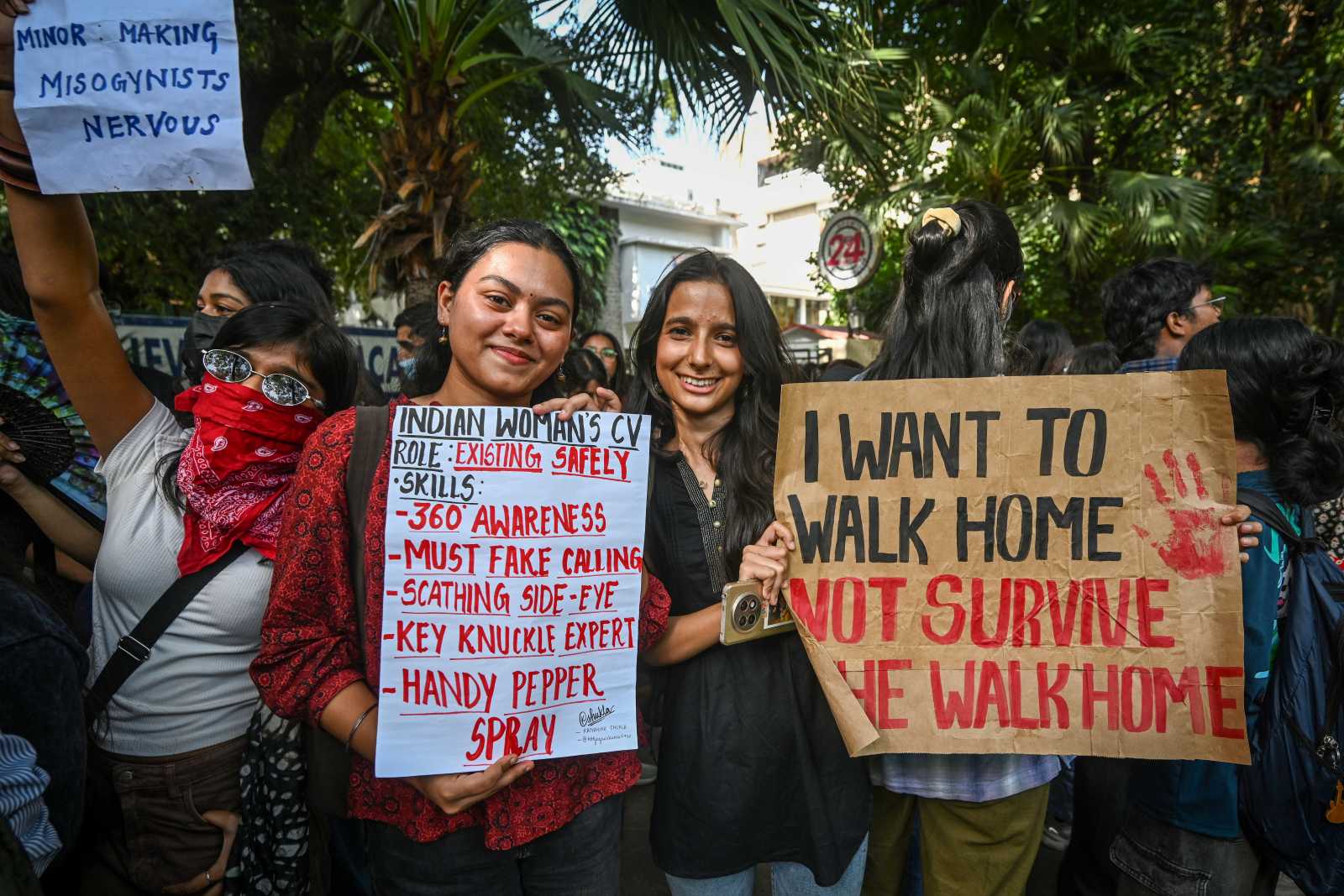
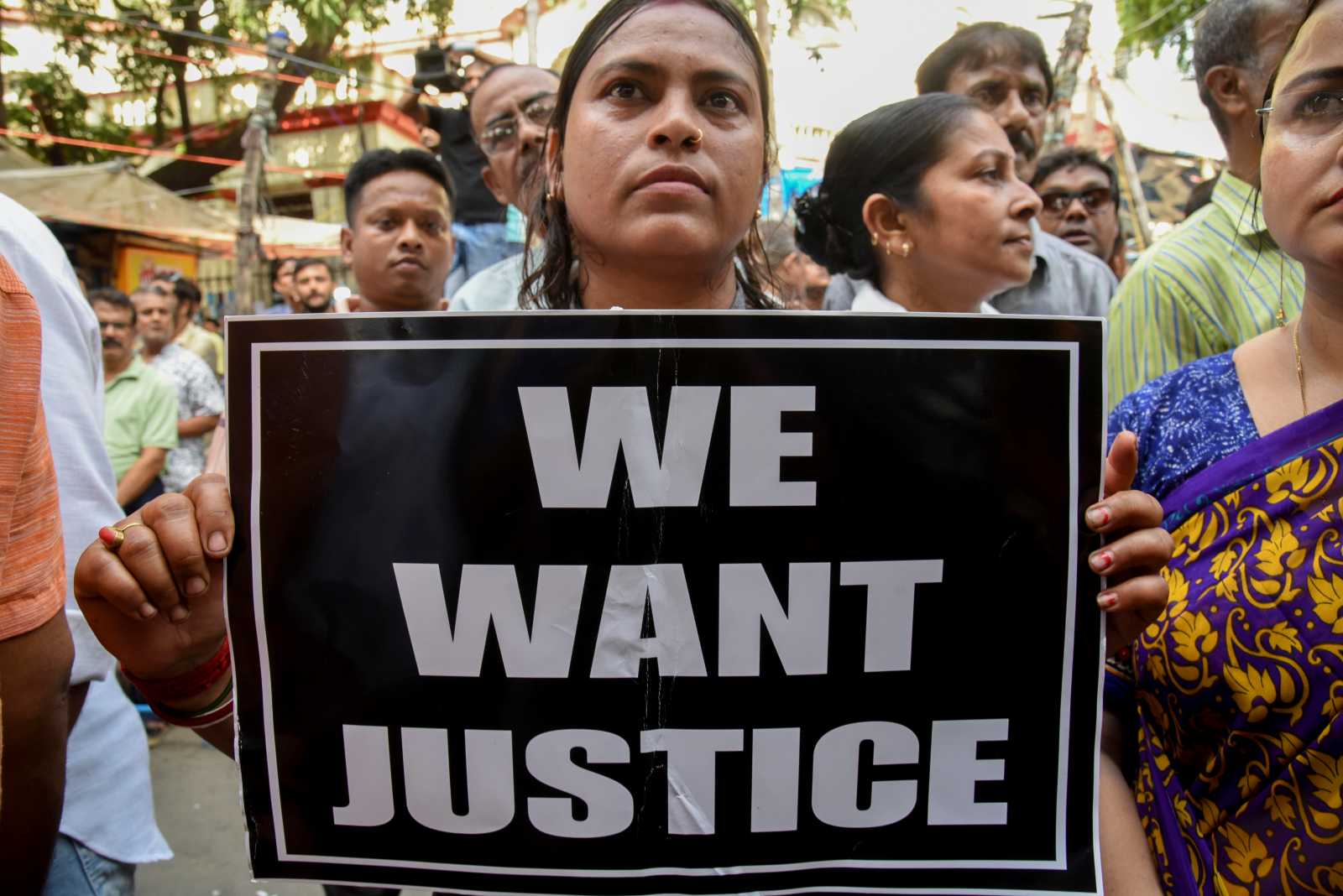
Those calculations gained new urgency after a 17-year-old girl was allegedly gang-raped by three men posing as police officers in southeast Delhi on 21 September. Her male friend, also 17, was assaulted as well. The case triggered student protests in the capital, many led by young women demanding greater safety and the freedom to move through public spaces without fear. Some carried deliberately provocative placards. One can be translated as “My head is aching and the reason is a man.”
Planning around fear
For women living, studying and working in Delhi, the questions raised by such cases are hardly new. “It’s not like I heard about that incident,” says Shaijal Gupta, a researcher at Delhi University. “I am living it day in and day out.” Her words describe a fear that extends beyond any single crime. It shapes how women plan their days, assess unfamiliar places and decide when they can safely return home.
Iffat says being a student, a woman and a member of the Muslim minority community all influence how secure she feels and how readily she believes she could seek justice. At home, meanwhile, familiar restrictions remain: women are expected to return before dark, while male relatives often enjoy greater freedom.
Shaijal Gupta also says she adjusts her movements after 9 pm, sometimes taking longer routes or changing her commute to use women-only metro coaches. She recalls once picking up a stone to defend herself from men threateningly staring at her in her hometown of Kanpur.
Such precautions may offer a sense of control. But the women question why responsibility for preventing violence should fall so heavily on those at risk of it. Gitanjali Anand, a PhD student at Jawaharlal Nehru University in Delhi, describes a familiar cycle: public outrage follows a particularly brutal case, only to fade again. For her, the deeper problem is a society that normalises both harassment and institutions’ failure to hold perpetrators accountable.
Madhavi Meena, a master’s student researching Gen Z in politics, argues that measures restricting women’s access to public spaces punish those already vulnerable. “Addressing the behaviour of offenders is a must,” she says. She questions why women should be confined indoors, pushed towards online classes or expected to return home earlier when they pay the same tuition fees and have the same rights to education and public life as men.
Advocating for better political representation
For Meena, the problem is also political. She calls for 50 % representation of women in Parliament. The government of Prime Minister Narendra Modi currently aims to bring forward the implementation of a 2023 amendment which guarantees a 33 % quota for women in Parliament and state assemblies.
Greater representation alone would not make Delhi’s streets safe. But for Madhavi, decisions about women’s safety should not be tied to women surrendering more of the city. “Why should I leave Delhi?” she asks. “That’s like saying because a rape happened in a park, I should stop going to the park.”
Roli Mahajan is a journalist based in Lucknow, India.
roli.mahajan@gmail.com