Environmental protection
Why thousands of young activists are fighting for a Zimbabwean lake


31-year-old Jean-Betrand Mhandu never planned to work in environmental protection. He simply wanted to spend time in nature. In 2015, while volunteering at Kuimba Shiri Bird Park near Lake Chivero, he expected quiet days caring for birds and cleaning their cages. But then everything turned out quite differently.
“I met Gary Stafford, the founder of the famous Kuimba Shiri bird sanctuary, and he showed me rubbish that was piled high along the shore of the lake. Plastic, old fishing nets and discarded diapers choked the edges. For me, this was a wake-up call,” Mhandu explains. It was back then that Mhandu committed to becoming an environmental activist.
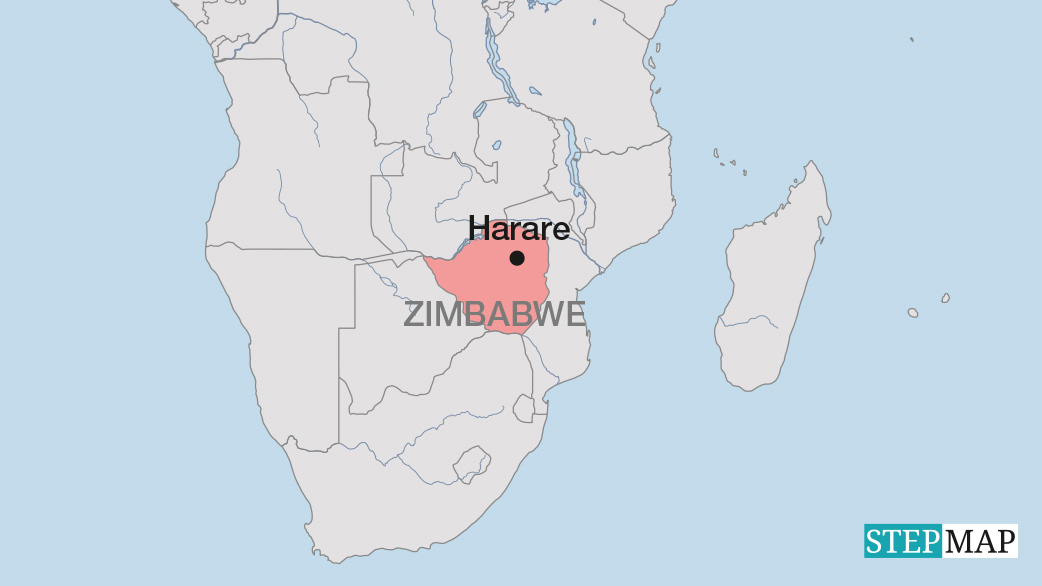
Lake Chivero, a wetland protected under an international treaty, is Harare’s main source of drinking water. Its surrounding wetlands play an important role in keeping the water clean by trapping waste and pollutants. The lake is also home to hundreds of bird species. But in recent years, pollution and growing settlements have badly damaged this area.
Clearing Lake Chivero of tons of waste
Determined to help, Mhandu gathered 700 young people to help clean up Lake Chivero. Together, they removed dozens of tonnes of waste in just one day. What started as a single effort soon turned into something much bigger. By early 2025, his group, the Chivero Action Alliance, had grown significantly. In a recent two-month campaign, 1000 volunteers cleared 75 tonnes of rubbish. “The pollution never stops, and we have seen animals dying despite our warnings,” he says. “We also established a litter transfer centre where waste can be collected and sorted as a sustainable way to help manage the waste at the lake,” he adds.
Currently, the Alliance is experimenting with natural methods to remove contaminants and building artificial wetlands to intercept raw sewage before it flows into the lake. Fish farming ponds have been introduced to reduce pressure on wild fish populations and to offer alternative livelihoods to local communities.
Pushing for stronger laws to protect Lake Chivero
Evenen with these efforts, a bigger challenge of illegal construction remains. Many people see wetlands as unused land that can be built on. As a result, houses and farms are being developed in areas that should be protected. Linda Masudze, a legal officer at Zimbabwe’s Environmental Management Agency, says this is a growing concern as developers sometimes get permission for projects but then ignore the rules and build directly on wetlands.
“There is a lot of abuse when people come to apply for an environmental impact assessment certificate for their project. They often end up doing what was not agreed to in the certificate, for example, developing buildings on the wetlands,” she says. “Yet we are very big on awareness, and we also have a strong compliance mechanism through which we do inspections to ensure that people are not doing so.”
Since this is not enough to stop the problem, young activists are now pushing for stronger laws. Among those leading this effort is Tafadzwa Mvududu, a member of the Ramsar Youth Working Group, an organisation integrating youth perspectives into global wetland protection efforts. “We want stricter rules so that damaging the environment has serious consequences,” he says. “Young people are starting to have a voice, and when we combine action on the ground with speaking up, we can make a real difference.”
Lungelo Ndhlovu is a freelance journalist based in Bulawayo, Zimbabwe.
ndlovu.lungelo@gmail.com
This story is part of The 89 Percent Project, an initiative of the global journalism collaboration Covering Climate Now.