Klimawandel
Wie sich ein Dorf in Malawi gegen Überschwemmungen wappnet


Unter dem dichten Blätterdach des von Menschenhand angelegten Waldes im Distrikt Chikwawa im Süden Malawis zeigt Luis Kudzala auf das trockene Bett des Mikalango-Flusses. In der Regenzeit, sagt er, könne derselbe Fluss plötzlich stark anschwellen und nahe gelegene Häuser überfluten.
Kudzala kennt Katastrophen nur zu gut. Er lebt in Nsomo, einem Dorf am Ufer des Mikalango. Immer wieder wurde sein Distrikt von Überschwemmungen heimgesucht, wenn Zyklone wie Idai, Ana und Freddy über den Süden Malawis hinwegzogen und schwere Verwüstungen hinterließen. Kudzala erinnert sich noch gut an die Folgen der tagelangen heftigen Regenfälle durch Zyklon Freddy im Jahr 2023: „Häuser wurden zerstört, Rinder und Ziegen wurden flussabwärts fortgespült, und auch Haushaltsgegenstände landeten im Shire-Fluss.“ Der Shire fließt etwa drei Kilometer außerhalb des Dorfes. Einige Familien kauften später mit Unterstützung von Hilfsorganisationen etwas Wellblech und bauten ihre Häuser wieder auf.
Nach mehreren schweren Überschwemmungen beschloss die Dorfgemeinschaft dann, nicht länger untätig auf die nächste Katastrophe zu warten – auch, weil sie infolge des Klimawandels künftig wohl noch heftiger ausfallen dürfte. „Wir haben uns zusammengesetzt, um herauszufinden, was die Hauptursache für die Schäden war und was wir dagegen tun könnten“, sagt Kudzala. „Dabei wurde uns klar, dass ein Grund ein Mangel an Bäumen war.“ Im Jahr 2013 begannen die Dorfbewohner*innen deshalb, Bäume in der Nähe des Flussufers zu pflanzen. Was als kleine lokale Initiative begonnen hat, ist inzwischen zu einem Wald aus Neem- und Lebbekbäumen sowie weiteren Baumarten herangewachsen.
Ein Deich gegen das Hochwasser
Doch die Bäume sind nur ein Teil des Plans. Die Dorfbewohner*innen haben außerdem begonnen, das Ufer des Mikalango mit einem Deich zu verstärken. Er soll verhindern, dass das Hochwasser ihre Häuser erreicht. „Das Programm Ubale hat uns ab dem Jahr 2015 unterstützt, indem es uns Mais, Mehl und Speiseöl zur Verfügung gestellt hat“, sagt Kudzala. „Zu diesem Zeitpunkt hatten wir bereits 12.000 Bäume gepflanzt.“
Später kamen weitere Organisationen hinzu. Die zivilgesellschaftlichen Organisationen Eagles Malawi und Concern Worldwide haben die Gemeinde ebenfalls bei der Katastrophenvorsorge unterstützt, und die gemeinnützige Organisation GiveDirectly half Familien, die durch Zyklon Freddy ihre Habseligkeiten verloren hatten, mit bedingungslosen Geldzahlungen.
Als sich Anfang dieses Jahres erneut heftige Regenfälle über die Region ergossen, habe die Situation schon anders ausgesehen, sagt Kudzala: Die Bäume und der Deich hätten verhindert, dass das Hochwasser die nahe gelegenen Häuser erreicht. „Ohne den Deich würden wir jetzt wohl darüber sprechen, wie viele Häuser zerstört worden sind“, sagt er. „Aber der Deich brachte Entlastung, auch wenn wir noch nicht das gesamte Flussufer befestigt haben.“
Der Ansatz hat sich inzwischen auch über Nsomo hinaus verbreitet. Kudzala berichtet, dass das Dorf Setzlinge an benachbarte Gemeinden weitergegeben habe, die daraufhin ähnliche Wälder angelegt hätten.
Auch Malawis Katastrophenschutzbehörde hat Gemeinden dazu ermutigt, eine größere Rolle bei der Vorsorge zu übernehmen. Der frühere Sprecher Chipiliro Khamula erklärte, von Gemeinden errichtete Deiche ergänzten gut die staatlichen Bemühungen zur Verringerung von Katastrophenrisiken. „Es ist höchste Zeit, dass Gemeinden, ob sie nun als besonders gefährdet gelten oder nicht, eine aktive Rolle bei allen Maßnahmen übernehmen, die ihre Widerstandsfähigkeit gegenüber Katastrophen verbessern sollen“, sagte er.
Gemeinden übernehmen die Führung
Auch externe Organisationen unterstützen mittlerweile die lokalen Hochwasserschutzmaßnahmen. Concern Worldwide etwa hat die Katastrophenvorsorge in der Region unterstützt und unter anderem ein gemeindebasiertes Hochwassermanagement und andere naturbasierte Lösungen etabliert, wie Ernest Kambiya, Programmreferent für Monitoring und Evaluierung bei Concern Worldwide, berichtet. Ziel sei es, Gemeinden in die Lage zu versetzen, vorausschauend und eigenständig zu handeln, erklärt Kambiya. „Bei der Vorsorge konzentrieren wir uns unter anderem auf eine lokale Finanzierung. Wir wollen zeigen, dass Gemeinden selbst die Führung übernehmen können, wenn man dafür die nötigen Voraussetzungen schafft.“
Ähnliche Hochwasserschutzprojekte gibt es entlang des Milore-Flusses im Süden Malawis. Ein weiterer Deich ist am North Rukuru River in der Stadt Karonga geplant. Für Luis Kudzala im Dorf Nsomo ist der Erfolg des Ansatzes bereits direkt am Mikalango-Fluss sichtbar – in Gestalt des Waldes, den die Dorfgemeinschaft selbst gepflanzt hat, und des Deichs, der auch bei der nächsten Regenzeit helfen soll, das Wasser von den Häusern fernzuhalten.
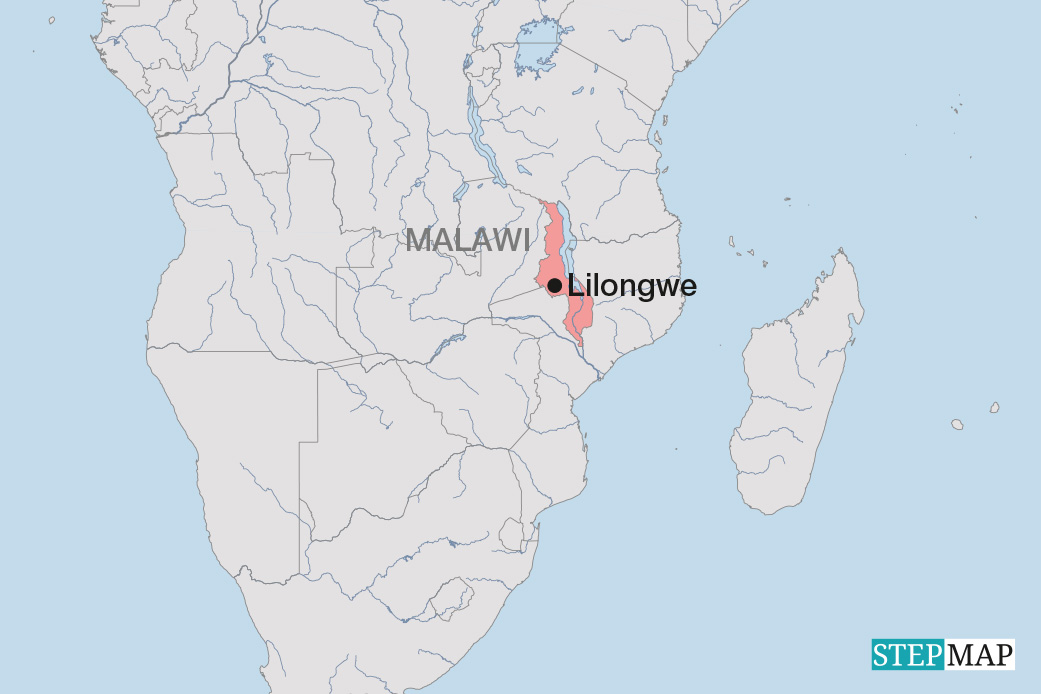
Charles Pensulo ist freiberuflicher Journalist in Lilongwe, Malawi.
charlespensulo@gmail.com
Dieser Beitrag ist Teil des „89 Percent Project“, einer Initiative der globalen Journalismus-Kooperation „Covering Climate Now“.